

Iran has issued a stark warning that no oil may pass through the Strait of Hormuz as the United States concluded its ninth consecutive night of strikes, pushing the confrontation to a dangerous new level. The threat has raised alarms across global energy markets and intensified fears that a regional conflict could soon disrupt the world’s most vital oil corridor.
A direct threat to global oil
The Strait of Hormuz is a narrow chokepoint through which a large share of the world’s seaborne oil flows. Any disruption there can send shockwaves through global fuel prices, affecting everything from petrol pumps to inflation rates.
Iran’s warning is not just a rhetorical escalation. It signals a willingness to target a lifeline of the global economy, betting that even the perception of risk in the strait will force international pressure on the U.S. and its allies.
Nine nights of strikes
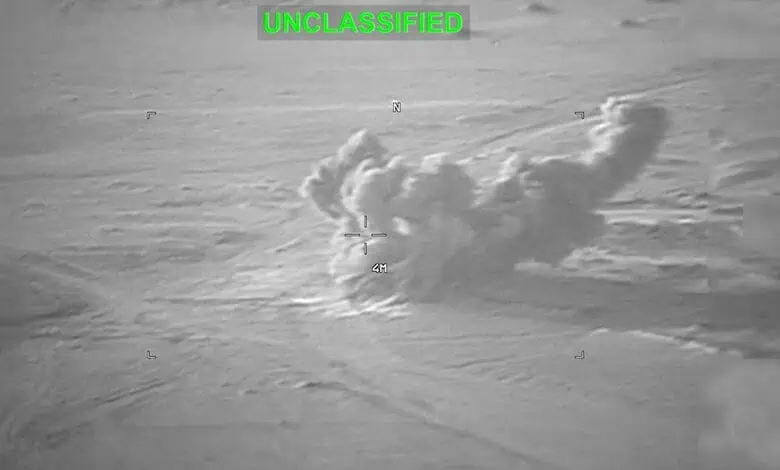
The U.S. ending its ninth night of strikes marks a sustained campaign that has already caused significant damage and casualties. Each new round of attacks has been followed by promises of retaliation, creating a cycle of action and response that is proving hard to break.
For Iran, the prolonged bombardment has become a test of resolve. The Hormuz threat is a way of showing that it still holds powerful leverage, even as its military and infrastructure face mounting pressure.
Markets on edge
Oil markets react quickly to any hint of trouble in Hormuz. Traders are now watching closely for signs of naval movements, mine-laying, or attacks on tankers that could translate Iran’s words into tangible disruption.
Even without a full closure, the mere possibility of reduced flow can push prices higher. For consumers, that translates into more expensive fuel and a potential ripple effect on transport, logistics and everyday costs.
Diplomatic pressure grows
The escalating rhetoric is also putting pressure on diplomats and world leaders to find an off-ramp before the situation spirals further. Every threat involving Hormuz raises the stakes, making miscalculation or unintended conflict more likely.
For now, the world is caught between two trajectories: a military track marked by repeated strikes and a geopolitical track where energy security and regional stability hang in the balance. The coming days will show whether the Hormuz warning is a final bargaining chip or the prelude to a far wider crisis.