

A distress call from a worried family member in India set off a chain of events that ended with Oman Navy helicopters racing through the night to pull 24 seafarers off a burning tanker.
It did not begin with a mayday call from the stricken vessel. It began with a phone call from a family.
On June 8, the Maritime Rescue Coordination Centre in Mumbai received word of a missile attack on the tanker MT Marivex — not through official channels, but through a relative of one of the crew members onboard. That single call triggered one of the fastest international maritime rescue operations the Arabian Sea has seen in recent months.
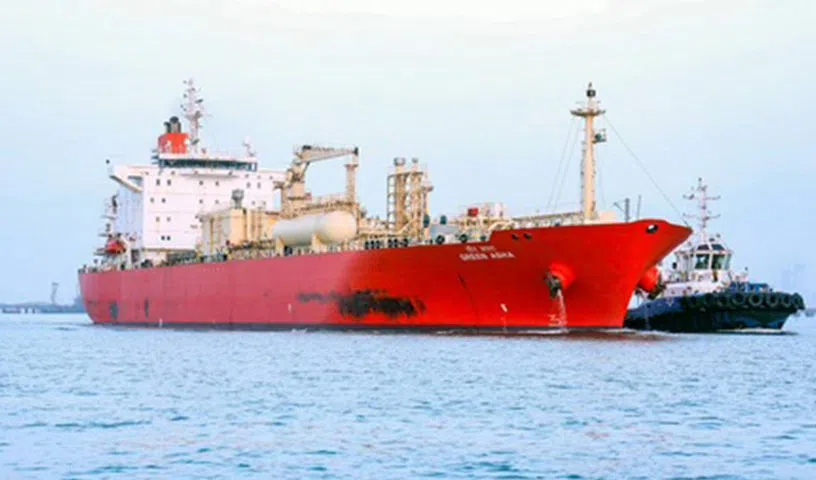
The MT Marivex, a Palau-flagged merchant tanker, was anchored off Masirah island on the eastern coast of Oman when it was struck. All 24 crew members aboard were Indian nationals. They were, in the blunt language of maritime emergencies, sitting targets.

A Race Against Time
What followed was a masterclass in cross-border crisis coordination. Recognising the gravity of the situation, MRCC Mumbai promptly established communication with the Oman Maritime Search and Rescue Centre and requested it to assume duties as Search Mission Coordinator and render urgent assistance to the vessel and its crew.
Oman did not hesitate. The OMSC initiated and coordinated the rescue operation by diverting a nearby vessel and deploying two rescue helicopters to the incident area. While the helicopters carved through the sky toward the stricken tanker, continuous communication was maintained between Mumbai and Muscat — two rescue centres on opposite ends of the Arabian Sea working in lockstep.
Later that evening, OMSC confirmed that all crew members had been safely rescued by helicopters of the Oman Navy. No casualties or injuries were reported.
Twenty-four men went into harm’s way. Twenty-four came back.
The Bigger Picture
The attack on MT Marivex is not an isolated incident. The waters off Oman and Yemen have been a flashpoint for maritime violence for over two years, with merchant vessels repeatedly targeted in a conflict that has drawn in global shipping lanes. For Indian seafarers — tens of thousands of whom crew vessels in this region — every voyage through these waters carries a risk that no insurance policy fully captures.
The vessel remains anchored off Masirah, Oman, as investigators piece together who fired the missile and why a commercial tanker at anchor was a target.
What is already clear, however, is what saved those 24 lives: not firepower, not luck, but the quiet, unglamorous machinery of international cooperation — a worried family member who picked up the phone, a coast guard officer in Mumbai who acted immediately, and Omani rescue crews who were airborne before most of the world knew the ship had been hit.