


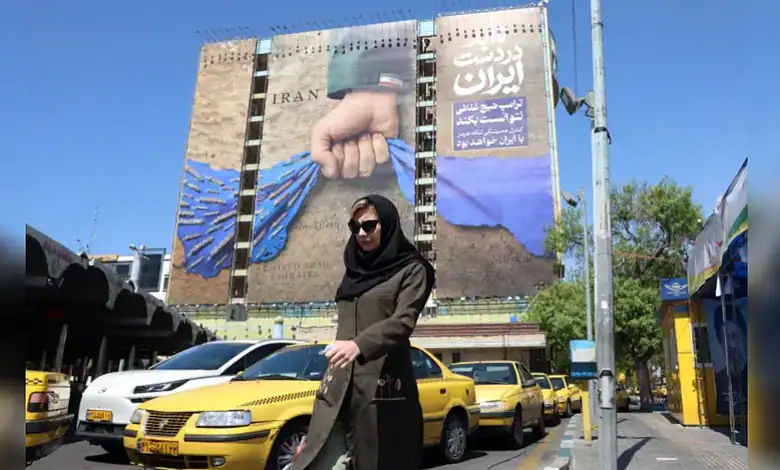
Iran is examining a new US proposal aimed at ending the Middle East war, even as President Donald Trump warned that the talks are teetering on the edge of collapse and could quickly give way to renewed strikes.
The latest diplomatic opening has arrived at a moment of intense pressure. Trump said the negotiations were “right on the borderline,” adding that a deal could come “very quickly” or fall apart just as fast if Tehran did not give “100 percent good answers”. His remarks captured the fragile mood surrounding the talks: part hope, part threat, and very little room for hesitation.
Iran, for its part, confirmed that it had received the American side’s latest position and was studying it carefully. Foreign ministry spokesman Esmaeil Baqaei said Tehran had received the points of view of the United States through mediation channels and was reviewing them, while repeating demands that have become central to Iran’s position: the release of frozen assets and an end to the US blockade on Iranian ports.
The stakes are enormous. After weeks of military tension and sharp exchanges, the latest proposal suggests both sides still see value in negotiation, even if neither appears ready to back down publicly. For Washington, the talks offer a chance to prevent another cycle of escalation. For Tehran, they are a test of whether diplomacy can deliver relief without forcing major concessions.
Trump’s language suggested impatience, but also a belief that a deal remains possible if the response is strong enough. He said an agreement could save “a lot of time, energy and lives,” while warning that failure could trigger a rapid return to force. That dual message — deal or danger — has become the defining feature of the current US posture.
The renewed diplomacy is being watched closely across the region, where even a small breakthrough could ease fears over shipping lanes, energy flows and broader regional instability. But the same uncertainty also means markets and governments alike are bracing for the opposite outcome: a sudden breakdown that could reignite conflict.
For now, both sides are still speaking the language of negotiation. Yet the words being used — borderline, final stages, 100 percent good answers — make clear how narrow the path has become. Whether this moment produces a deal or another confrontation may depend less on the headlines than on what happens in the next few days.