


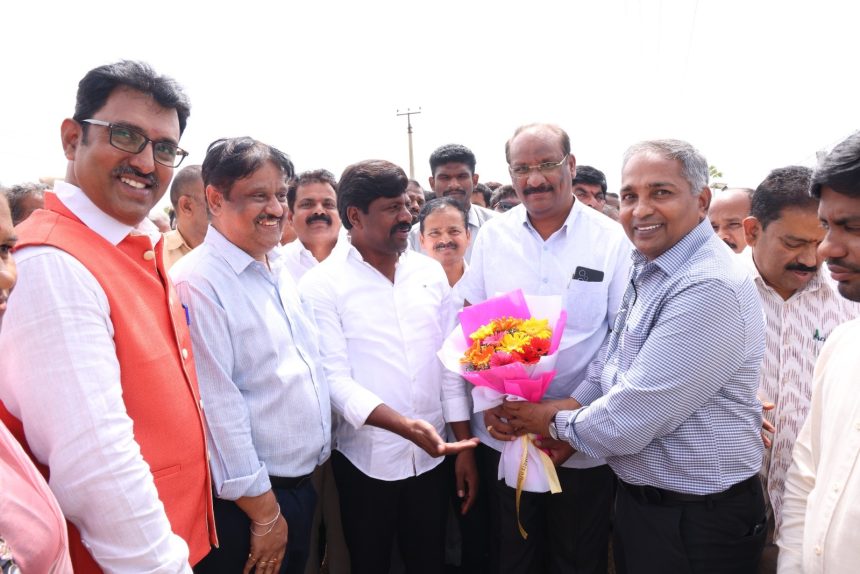
A homegrown, chemical-free wastewater treatment system is set to protect the water, soil, and livelihoods of a 7,000-strong handloom community famous for its centuries-old Pochampally Ikat weaving.
For generations, the weavers of Siripuram, a small village in Telangana’s Yadadri Bhongir district, have dyed and woven cotton into the intricate geometric patterns of Pochampally Ikat — a craft so distinctive it is often called the “poetry of the loom.” But that same dyeing process has quietly taken a toll on the village’s drains, soil, and groundwater, as coloured, chemical-laden wastewater from thousands of household looms found its way back into the local environment.
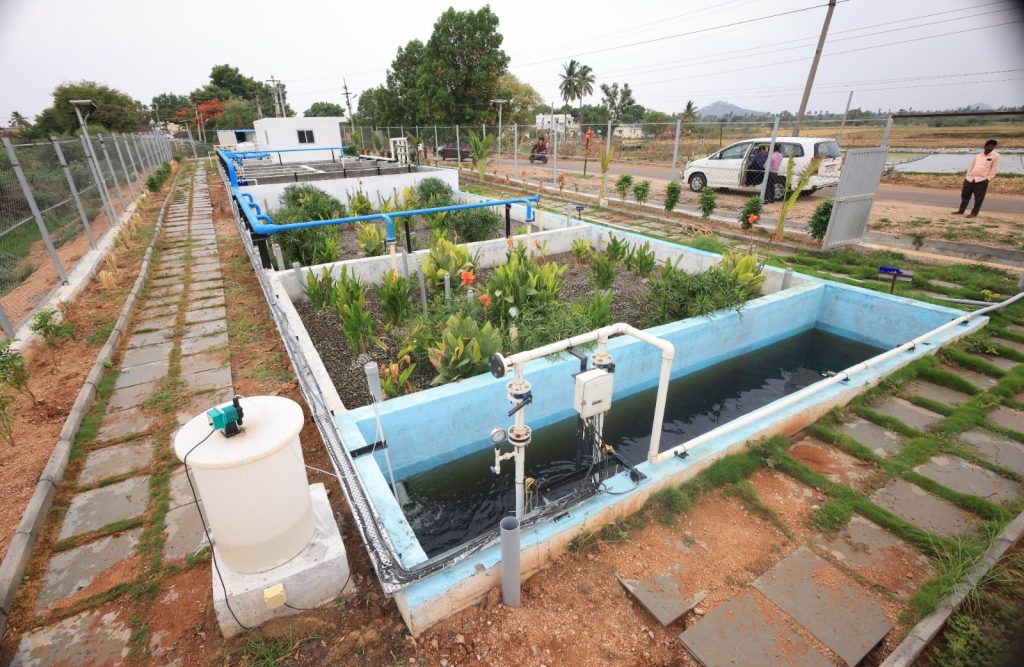
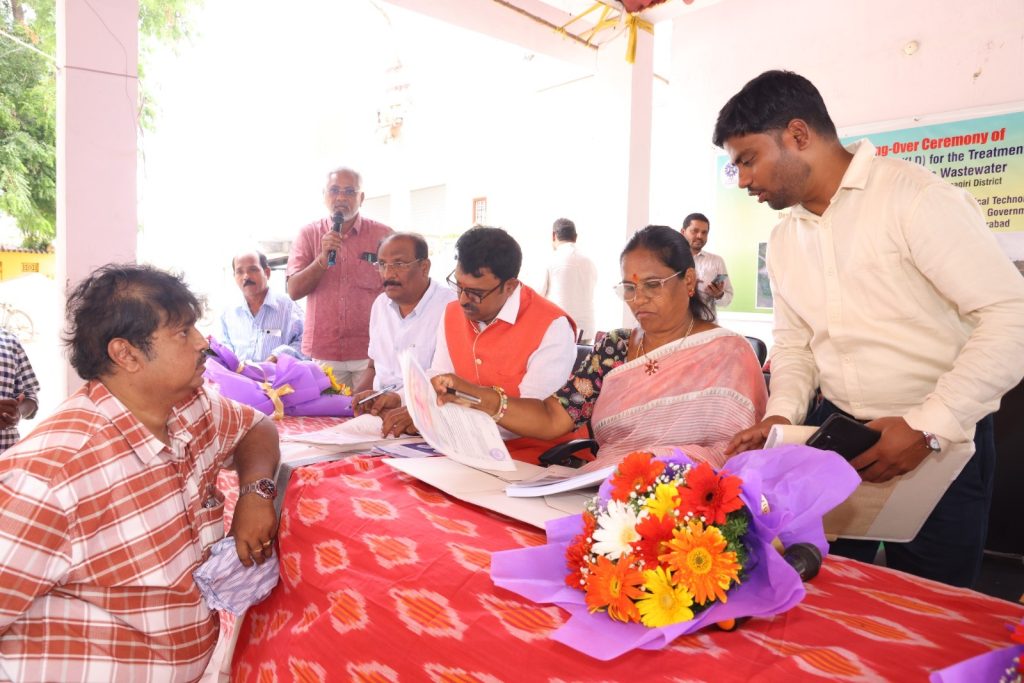
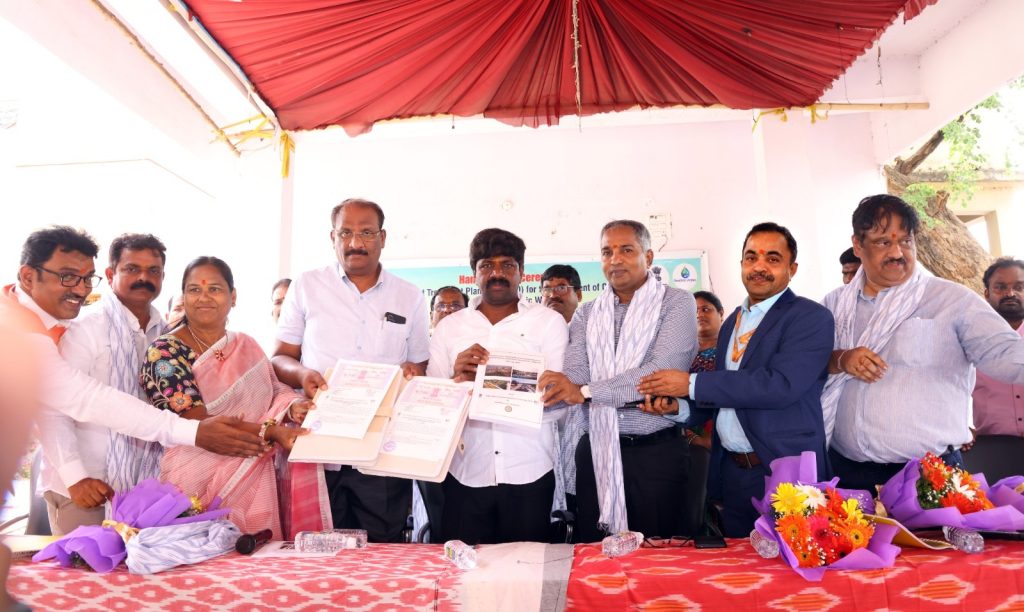
That is now changing. The CSIR-Indian Institute of Chemical Technology (CSIR-IICT), Hyderabad, has formally handed over a 500 KLD (kilolitres per day) Model Decentralised Combined Effluent Treatment Plant (ETP) to the Siripuram Gram Panchayat, marking what officials are calling a milestone for rural science outreach in India.
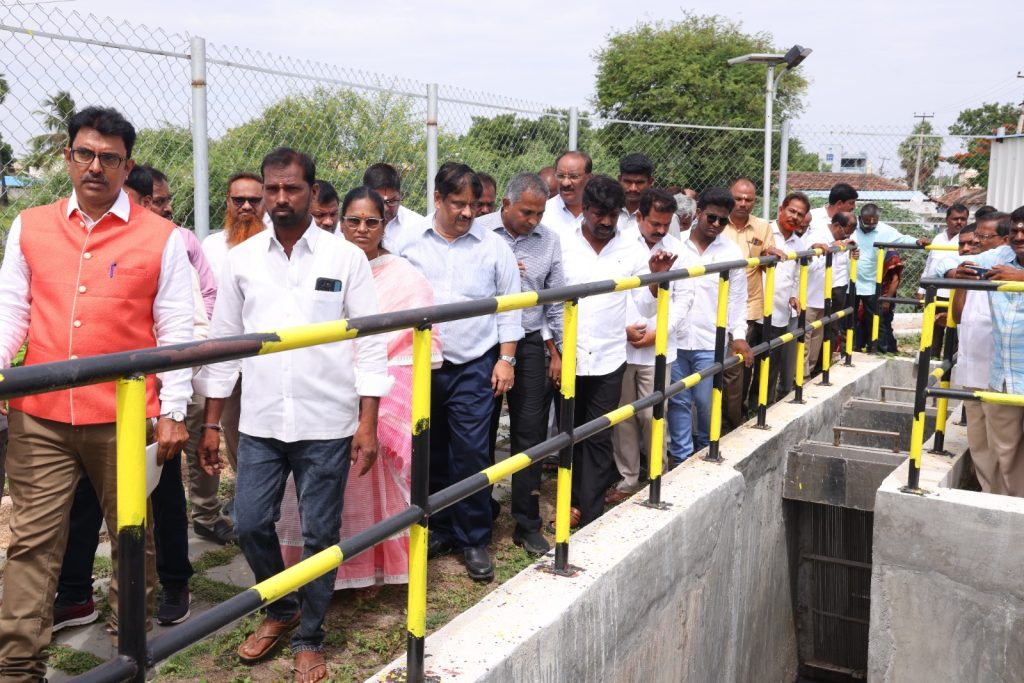
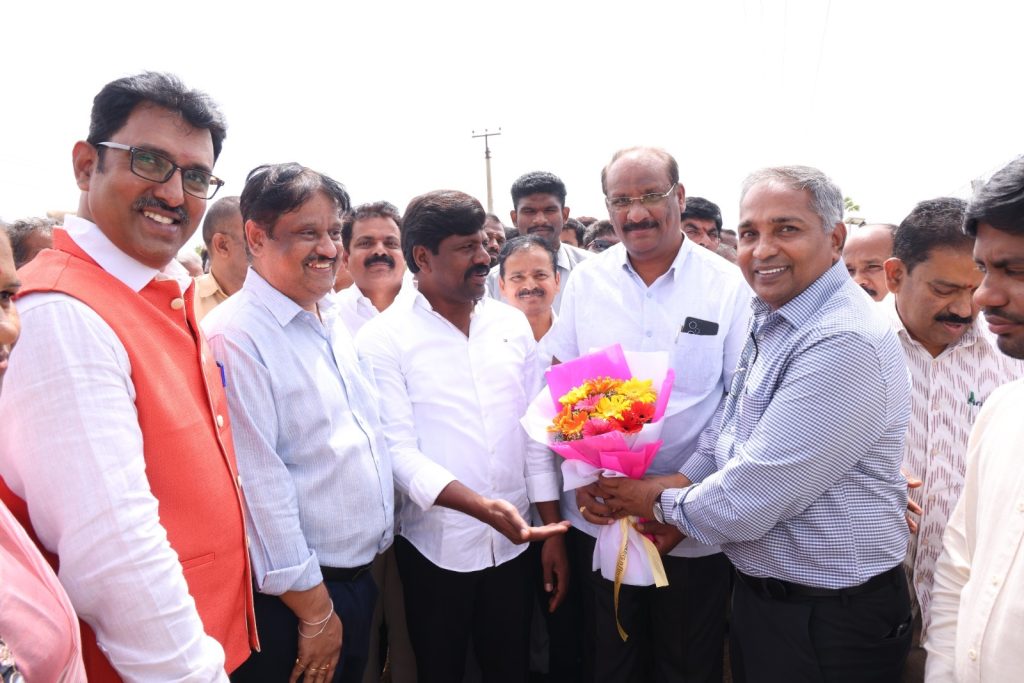
An indigenous, chemical-free approach
Unlike conventional industrial effluent treatment systems, which typically rely on heavy chemical dosing and centralised infrastructure, the Siripuram plant uses what its designers describe as a nature-based, gravity-assisted treatment process. It combines biological treatment methods with advanced bioelectrocatalytic processes to break down the complex dyes and chemical residues found in textile wastewater, while also handling domestic sewage from the village.
Dr. S. Venkata Mohan, Director of CSIR-NEERI, who presented the technical details of the system, explained that the plant integrates multiple biological metabolic pathways to efficiently degrade the complex organic and dye compounds typically found in Ikat dyeing effluent — without the need for costly chemical additives.
The result, according to IICT Director Dr. D. Srinivasa Reddy, is a plant that is low on energy consumption and simple enough for the local community itself to operate and maintain — a design philosophy the institute is calling a genuine “Lab to Loom” translation of research into rural livelihoods.
Funded by DST, rooted in years of fieldwork
The project was funded by the Department of Science and Technology (DST) under its Technology Mission Division, and traces back to detailed groundwork done in Siripuram years earlier. IICT researchers had conducted door-to-door and topographical surveys of the village to map its drainage patterns, followed by laboratory-scale studies of the combined dye-wash and domestic wastewater, before scaling the technology up into a full working plant — reportedly the first facility of its kind in the region.
Roughly 65 percent of Siripuram’s population is involved in handloom work at the household level, making the village an ideal — and needed — testing ground for a decentralised model rather than a large centralised treatment facility.
Why it matters for the village — and beyond
For Siripuram’s nearly 7,000 residents, local leaders and senior artisans say the benefits go beyond environmental protection. A cleaner village not only safeguards drinking water sources and public health, they note, but also strengthens the reputation and visibility of the Ikat craft itself as buyers and institutions increasingly look for sustainably produced textiles.
CSIR-IICT officials have described the Siripuram plant as a scalable template. Dr. Reddy said the model has strong potential for replication across other textile and handloom clusters nationwide, contributing simultaneously to water conservation, pollution prevention, and rural livelihood development.
The plant was earlier dedicated to the nation virtually by Union Minister for Science and Technology Dr. Jitendra Singh, alongside other CSIR-IICT facilities, underscoring the government’s push to connect indigenous chemical research directly with grassroots industrial and environmental needs.
If replicated successfully, the Siripuram model could offer a low-cost blueprint for hundreds of other handloom and textile clusters across India that face similar effluent challenges — turning a long-standing environmental liability of traditional dyeing into a template for sustainable rural manufacturing.