


Dubai: The United States has wrapped up its 13th consecutive night of airstrikes on Iran, even as Gulf Cooperation Council (GCC) nations remain on high alert following a fresh wave of Iranian missile and drone attacks across the region.
What happened overnight
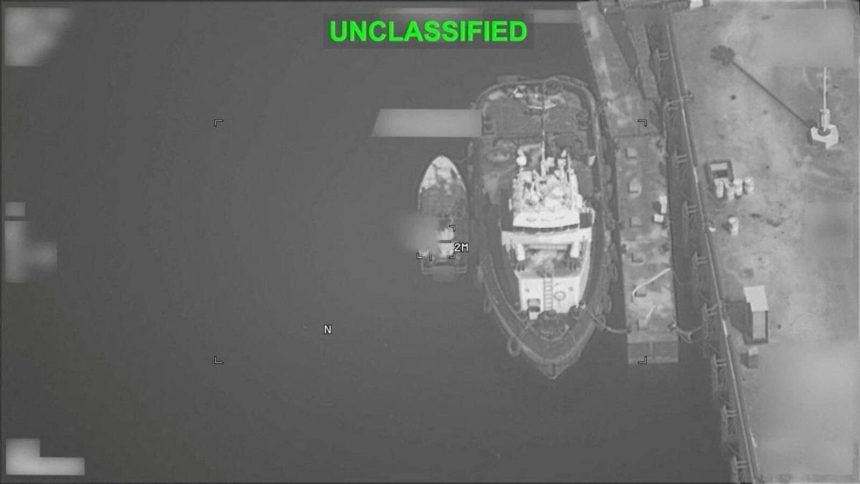
US Central Command (CENTCOM) said it hit air defence systems, radar sites, missile and drone equipment, and small boats in southern Iran, including areas near the Strait of Hormuz. The strikes focused on military infrastructure linked to Iran’s ability to threaten shipping and regional bases.
Iran’s state media reported detonations in Hormozgan province, including around Bandar Abbas and nearby islands. Local officials said one army officer was killed in the attacks.
Iran hits back at Gulf states
Hours after the US strikes, Iran launched retaliatory attacks targeting US allies in the Gulf. Missile alerts sounded in Bahrain, Kuwait, Qatar, the UAE, Oman, and Jordan.
- Kuwait reported attacks on three border centres and an offshore oil platform, causing material damage and injuring one worker.
- Qatar said three people were injured by falling shrapnel.
- Bahrain, home to the US Navy’s 5th Fleet, faced repeated missile and drone barrages.
- The UAE said Iranian missiles struck two vessels in Omani waters inside the Strait of Hormuz, killing one crew member.
US stance: “Iran does not control the Strait”
CENTCOM reiterated that the Strait of Hormuz is an international waterway and that Iran does not control it. “US forces are positioned and prepared to ensure freedom of navigation remains available to commercial shipping despite Iran’s continued aggression,” the command said.
Trump vows “more pain”
President Donald Trump said the US would continue striking Iran until Tehran stops targeting commercial shipping and regional allies. He also vowed that frozen Iranian funds would be used to cover damage to Gulf shipping caused by Iranian attacks.
Gulf states on edge
Across the GCC, air defence systems remained active overnight. Civil defence teams stayed on standby, and airlines adjusted flight paths where needed. Authorities urged citizens to follow official updates and avoid sensitive areas.
What’s next
With both sides trading strikes and no clear path to de-escalation, the risk of a wider regional war remains high. Diplomatic channels are still open, but each new round of attacks makes a lasting ceasefire harder to achieve.
For now, Gulf residents brace for more nights of alerts, while global markets watch oil prices and shipping routes for signs of further disruption.