


A technique called biochar — turning agricultural waste into a powerful soil enhancer through controlled burning — could be the most underrated weapon in India’s fight against climate change and falling crop yields
Every October, the skies over northern India turn grey. Farmers burn their stubble — millions of tonnes of it — because it is the fastest and cheapest way to clear fields before the next crop. The smoke chokes cities. The soil gets nothing.
Now, scientists are asking a different question. What if, instead of burning that waste into the air, we burned it into the ground?
That is the idea behind biochar — and it is quietly gaining serious traction among India’s agricultural researchers, with one of Telangana’s leading horticultural universities now throwing its full weight behind the technology.
What Exactly Is Biochar?
Biochar is produced from crop waste and residues through a process called pyrolysis — essentially, heating organic material in a low-oxygen environment so it does not combust into smoke but instead transforms into a stable, carbon-rich charcoal-like substance.
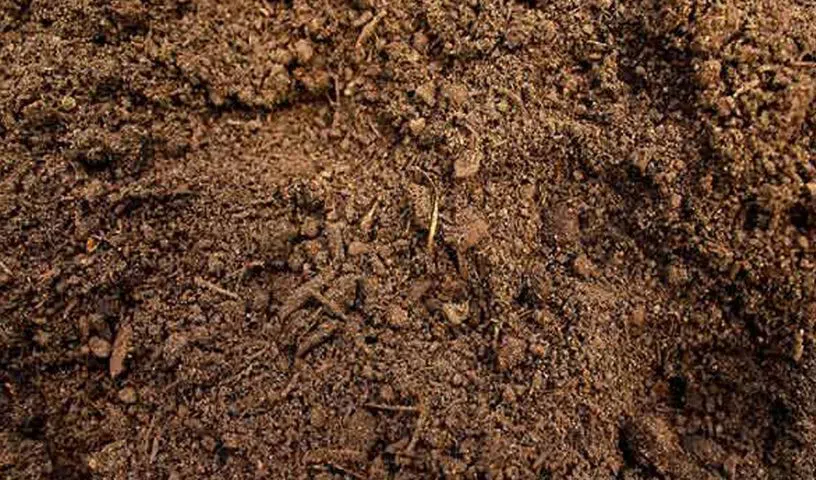
That substance, when mixed into soil, does something remarkable. It does not break down quickly like compost. It stays in the ground for hundreds — sometimes thousands — of years, slowly improving the soil around it.
Think of it as a long-term investment in the earth beneath your feet.
Why Indian Farmers Need This Now
India’s agricultural soils are in quiet crisis. Decades of chemical fertiliser use, erratic monsoons, and intensive farming have left large tracts of farmland depleted — low in organic matter, poor at retaining water, and increasingly hostile to the microbial life that healthy crops depend on.
Speaking at an event on biochar technology in Hyderabad, Dr D. Raji Reddy, Vice Chancellor of Sri Konda Laxman Telangana State Horticultural University, said biochar not only boosts crop yields but also enables carbon sequestration — marking a significant step towards climate-smart agriculture.
Carbon sequestration — locking carbon into the soil instead of releasing it into the atmosphere — is something governments and climate scientists have been desperately seeking affordable, scalable solutions for. Biochar may be one of the most practical answers available, and it can be made from materials that farmers are currently just burning anyway.
Three Problems. One Solution.
The SKLTHU Vice Chancellor outlined biochar’s role in enhancing soil fertility, increasing water retention capacity, and supporting microbial activity. He emphasised that biochar would serve as an important tool in reducing reliance on chemical fertilisers and mitigating the impacts of climate change.
Water retention is particularly critical for Indian farmers. As monsoons become less predictable — arriving late, leaving early, or dumping too much water too quickly — soils that can hold moisture for longer give crops a fighting chance during dry spells. Biochar-amended soil can retain significantly more water than untreated soil, effectively acting as a buffer against drought.
The reduction in chemical fertiliser dependence is equally significant. India spends billions of rupees annually on fertiliser subsidies. If biochar can partially replace synthetic inputs while delivering better long-term soil health, the economic implications for both farmers and the government are enormous.
From Crop Waste to Climate Solution
The beauty of biochar is its circularity. The paddy straw that a Punjab farmer would otherwise set alight, the sugarcane bagasse that a Maharashtra farmer does not know what to do with, the vegetable waste piling up outside a Telangana greenhouse — all of it is potential raw material.
Instead of releasing that carbon into the atmosphere through open burning, pyrolysis captures it in a stable solid form and returns it to the soil. The farmer gets a better field. The planet gets a little less carbon in the air. Both outcomes, simultaneously, from the same process.
Dr Raji Reddy urged farmers, scientists and students to adopt biochar-based technologies on a wider scale and assured them that the university would strengthen its research, training and awareness initiatives in this field.
The Road to the Farm
The challenge now is scale. Biochar technology is well understood in laboratories and research stations. Getting it into the hands of millions of small and marginal farmers — who make up the vast majority of India’s agricultural workforce — requires affordable pyrolysis equipment, clear guidance on application rates for different soil types, and demonstration plots that farmers can see and touch.
Biochar expert Dr Arif Khan and scientists from SKLTHU’s Floriculture Research Station and Vegetable Research Station participated in the event, signalling that the research community is already building the interdisciplinary base needed to push this from conference rooms to crop fields.
India burns approximately 500 million tonnes of agricultural residue every year. If even a fraction of that waste were converted into biochar instead, the impact on soil health, farm productivity, and carbon emissions could be transformative.
The smoke from stubble burning does not have to be the end of the story. With biochar, it could be the beginning of a much better one.