


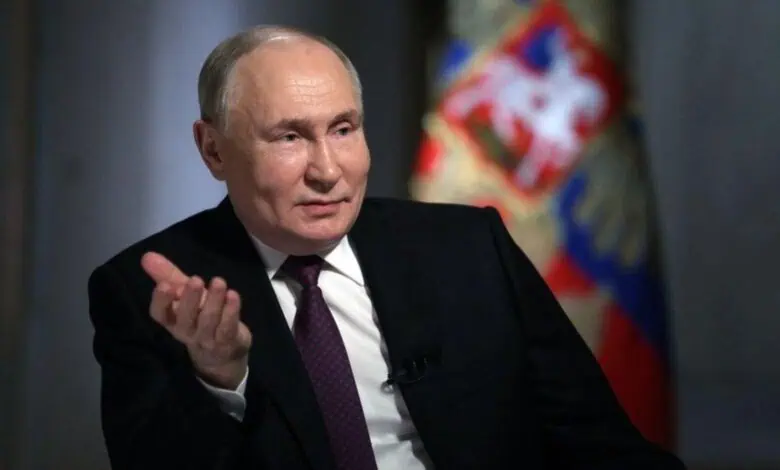
Russian President Vladimir Putin has played down concerns over fuel shortages at home even as Ukraine intensifies strikes on Russian oil refineries, adding a new layer of tension to both the battlefield and the energy market.
Speaking after fresh reports of disruptions, Putin dismissed the situation as “manageable” and insisted that domestic supply would be stabilised, signalling that the Kremlin does not want to show any public vulnerability on the fuel front.
Refineries under pressure
Over recent weeks, Ukrainian attacks have increasingly targeted oil and fuel infrastructure, aiming to hit Russia’s economic backbone as well as its military logistics. Strikes on refineries can reduce output, complicate distribution and force authorities to redirect supplies, including those meant for export.
Even limited damage can have a cascading effect: lower refining capacity means tighter fuel availability, longer queues at some pumps, and potential price spikes if the situation persists. For a country engaged in a prolonged conflict, that raises questions about both war-time resilience and everyday civilian life.
Putin’s public stance
Putin’s response has been to project calm. By brushing off shortages and talking up the state’s ability to “correct” the situation, he is trying to reassure Russian citizens that the government remains in control despite targeted attacks on critical infrastructure.
The messaging is also aimed outward. A leader who admits to serious fuel problems could be seen as weakened, so the Kremlin’s line emphasises continuity and adaptability — even if regional reports hint at tighter supply or disruptions in certain areas.
Domestic impact and quiet worries
On the ground, any sustained disruption in fuel flow can affect more than just private car owners. Public transport, agriculture, logistics networks and small businesses all depend on reliable fuel access. If refineries are repeatedly hit or forced to run below capacity, those sectors feel the strain first.
That’s why local reports of queues, rationing or temporary shortages — even if officially downplayed — are watched closely. They act as early signals of how deeply the refinery attacks are biting into daily life.
Strategic signal from Kyiv
For Ukraine, hitting refineries is not only a tactical move but a strategic signal: the war is no longer confined to front-line trenches and border zones. By striking economic infrastructure, Kyiv is trying to increase the cost of war for Moscow, forcing Russia to spend more on repairs, protection and rerouting of supply.
Such attacks also send a message to international observers that Ukraine can reach deep into Russian territory, not just respond defensively at the front.
What’s next
Going forward, the key questions are whether Russia can quickly restore or protect refinery capacity, and whether Ukraine continues or escalates such strikes. If attacks persist and damage accumulates, fuel issues could shift from a political talking point to a more visible domestic problem.
For now, Putin’s strategy is clear: publicly shrug off shortages, promise stability, and avoid any admission that refinery strikes are seriously hurting Russia’s war machine or economy. Whether that narrative holds will depend on how much more pressure those refineries come under — and how long ordinary Russians are prepared to tolerate any disruption at the pump.