


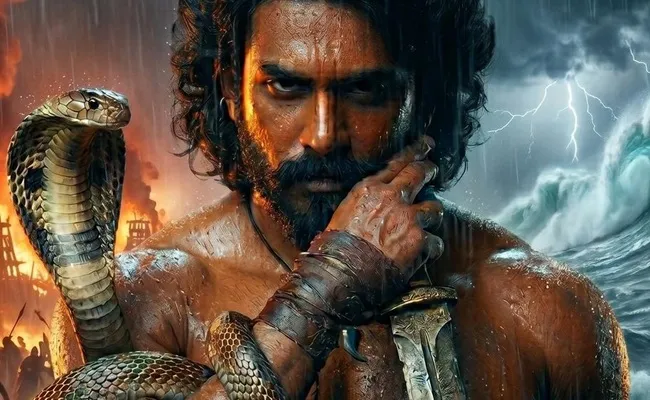
Nagabandham arrives with the promise of a grand, mystical experience — rich visuals, an intriguing premise and a world steeped in folklore and fantasy. And to its credit, the film does deliver on the visual front. The frames are lovingly crafted, the production design is immersive, and the technical team clearly knows how to paint an arresting picture on screen.
But once the initial visual high settles, the cracks in the storytelling begin to show. The narration stretches, repeats and meanders, leaving you admiring the film’s surface while silently wishing the story would move faster — or say more.
A world that looks stunning
From the opening sequences, Nagabandham signals its ambition. The film is mounted on a grand scale with:
- Elaborate sets that evoke an otherworldly, mythic realm
- Strong use of colour, light and shadow to build mood
- Well-composed frames that make many scenes look “poster-worthy”
The visual language is consistent and confident. Whether it’s the snake-themed symbolism, the forest landscapes or the ritualistic sequences, the film knows how it wants to look — and largely hits those marks.
The cinematography and art direction give the story a sense of scale that pulls you in, especially in the early portions, when the universe of the film is being introduced.
Narration that tests your patience
The problem is that the story doesn’t keep pace with the visuals. As the film unfolds, the narration:
- Lingers too long on repetitive beats
- Under-explains key emotional turns and character motivations
- Relies on familiar tropes without adding fresh layers
Instead of tightening as it goes along, the film often feels stretched. Scenes that should be sharp and impactful end up dragged-out, and the emotional payoffs don’t always land because the writing doesn’t dig deep enough into the characters.
The result is a strange imbalance — you’re watching a visually strong film that feels narratively exhausting. You can see the effort on screen, but you don’t always feel the momentum.
Performances caught between style and substance
The cast works with sincerity, and some performances do stand out in moments. However, the character arcs are not consistently well-shaped, which limits how much the actors can truly elevate the material.
There are flashes of intensity and emotion, especially in confrontations and ritual-heavy scenes, but the film doesn’t always give its leads enough internal conflict or layered writing to turn those flashes into lasting impact.
Music and mood
The background score mirrors the film’s ambitions — dramatic, atmospheric and tuned to the mythic tone. It works well with the visuals to create a sense of tension and mystery.
However, when the narration slows down, even the score starts to feel like it’s propping up scenes that should have been sharper on the page. There are musical highs, but they often accompany narrative stretches that don’t fully earn them.
Lifestyle lens: is it worth your time?
From a lifestyle and viewing-experience perspective, Nagabandham is the kind of film you might watch for:
- Its aesthetic — if you enjoy lush, fantasy-style visuals
- Its attempt at weaving mythology and mood into a mainstream format
- Its technical craft — cinematography, art, costumes
But you need to be prepared for a slow, sometimes tiring narrative that demands patience and a certain tolerance for repetition.
If you’re the kind of viewer who loves visual world-building and can forgive a dragging story, Nagabandham might still be a weekend watch. If tight, engaging narration is non-negotiable for you, this one may leave you feeling that a beautiful canvas has been wasted on a half-hearted story.