


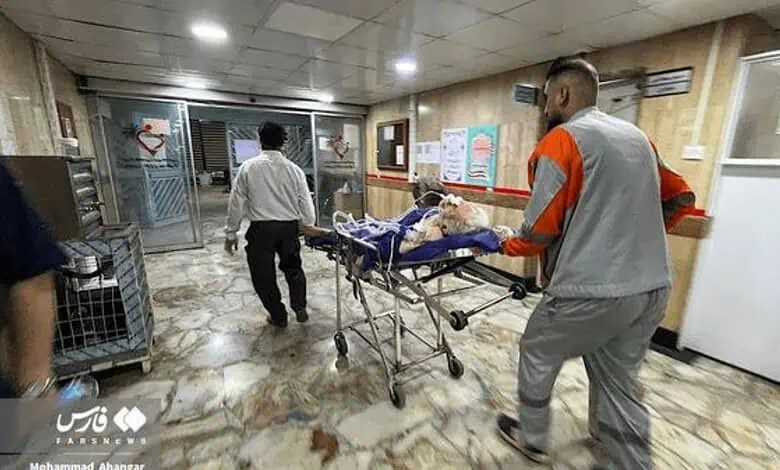
Iran has retaliated after U.S. strikes reportedly hit a children’s cancer hospital, sharply deepening tensions and adding a new humanitarian dimension to an already volatile conflict. The development has sparked outrage and raised fresh fears about civilian suffering in an increasingly dangerous confrontation.
Hospital strike triggers anger
The reported strike on a children’s cancer hospital has intensified the emotional and political fallout from the conflict. Attacks that affect medical facilities often draw the strongest international condemnation because they hit some of the most vulnerable people in society.
For many observers, the fact that children’s healthcare infrastructure was reportedly affected makes the situation even more alarming. In conflicts like this, hospitals are not just buildings — they are lifelines for patients, families and medical workers.
Iran’s response
Iran’s retaliation signals that the situation is moving further into dangerous territory. Each new exchange raises the risk of broader regional instability, especially when civilian sites are said to be involved.
The response also reflects the pressure on Iran to show strength after suffering a strike of this scale. In such moments, retaliation becomes not only a military move but also a political message aimed at domestic and international audiences.
Humanitarian concerns grow
The biggest concern now is the humanitarian cost. When hospitals, especially children’s cancer centers, are damaged or disrupted, treatment delays can become life-threatening for patients already battling severe illness.
Medical systems in conflict zones are often strained even before attacks occur. Once a facility is hit, the effects can spread quickly, leaving families without access to urgent care, medicines and specialized treatment.
A wider conflict risk
This episode could also widen the conflict beyond the immediate parties involved. Once retaliatory strikes begin targeting sensitive sites, the pressure for further escalation grows, making diplomatic de-escalation more difficult.
The situation now carries both military and moral weight. Beyond the headlines, the deeper concern is what happens when war moves into hospitals, where the cost is measured not in territory but in human lives.