


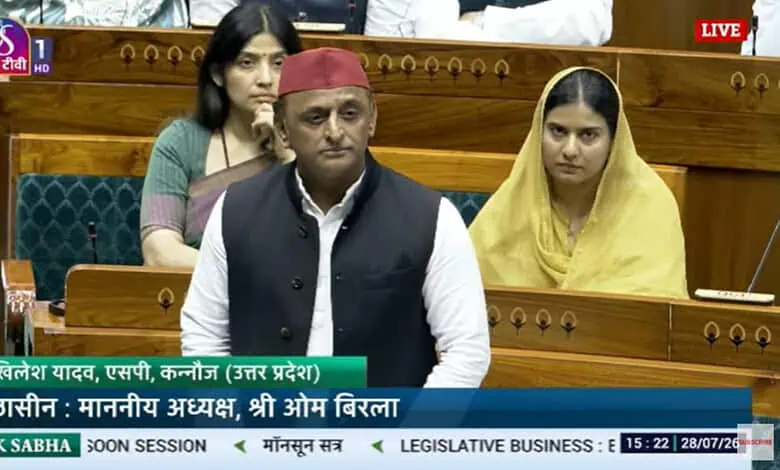
The Lok Sabha will soon debate the anti-paper leak bill after Parliament ended a major deadlock. The new law aims to punish paper leak networks more strictly and speed up action against exam fraud.
Bill reaches House
The government has introduced the Public Examinations (Prevention of Unfair Means) Amendment Bill, 2026, in the Lok Sabha. It comes after repeated exam controversies and student protests over paper leaks.
The Bill seeks to strengthen the law against cheating in public examinations. It also targets organized groups that help leak papers or manipulate exams.
What the Bill proposes
The draft law raises the minimum jail term for offenders from three years to five years. It can go up to 10 years in serious cases.
It also increases the maximum fine from ₹10 lakh to ₹50 lakh. For service providers involved in offences, the penalty can go up to ₹5 crore.
The Bill takes a stricter view of organized exam crime. Syndicates could face seven to 10 years in jail and fines of up to ₹10 crore.
Faster investigations
The government also wants quicker action in such cases. The Bill proposes a time-bound investigation within two months. It also suggests Special Fast Track Courts for faster trials and a fixed timeline for appeals.
Officials say these steps will help restore trust in public examinations. They believe quick punishment will deter repeat offences.
Why it matters
The issue has become politically sensitive after the NEET row and other exam-related protests. Students, parents and coaching communities are watching the debate closely.
The discussion in the Lok Sabha is expected to attract wide attention. Many see it as a test of how seriously the government wants to tackle paper leaks.