


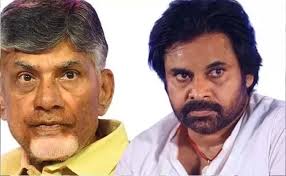
A new survey shows that nearly 4 in 10 Kapu voters who backed the TDP-Jana Sena alliance in 2024 are now unhappy. The reason? The community voted for representation — and feels it got a lecture on caste-blindness instead.
Survey: Unhappy 40% | Happy 60% | Kapu voters who backed TDP-Jana Sena in 2024
When the TDP-Jana Sena alliance swept to power in Andhra Pradesh in 2024, the Kapu community was a crucial part of the story. Pawan Kalyan, Jana Sena’s charismatic chief and the community’s most high-profile political face, was the magnet that drew Kapu voters toward the coalition in large numbers. They came with expectations. They came with hope. They came believing that their time had finally arrived.
More than a year later, a new survey tells a sobering story. Nearly 40 percent of those Kapu voters — the very people whose support helped build this government — are now unhappy with how things have turned out. In AP’s finely balanced caste arithmetic, that number is not something the alliance can afford to dismiss.
Why they are unhappy — the three fault lines
The Representation Gap — Many Kapu voters backed the alliance specifically expecting greater political representation — key posts, positions, and appointments in the new administration. More than a year in, those appointments have been limited, leaving a significant section of the community feeling sidelined.
Pawan’s Anti-Caste Stance — On multiple occasions, Pawan Kalyan has publicly advised his own leaders not to view politics through a caste lens. While this plays well with reform-minded voters, it has frustrated sections of the Kapu community who expected their leader to fight specifically for community interests — not deliver philosophical speeches about transcending caste.
The Patience Problem — A year is not a long time in government terms. But for communities who feel they have waited decades for meaningful political power, every month without visible progress feels like a broken promise.
The Pawan paradox — champion or philosopher?
Pawan Kalyan built his political career in large part on the energy and loyalty of the Kapu community. They are his most devoted base. They celebrated when he became Deputy CM. They believed his elevation was their elevation.
But Pawan has consistently refused to play the role of community champion in the way many Kapu voters expected. His public stance — that politics should transcend caste, that Jana Sena serves all communities equally — is ideologically consistent and arguably admirable. It is also, for a section of his core voters, deeply disappointing.
The community feels caught in a bind: their most powerful political voice is actively telling them not to think of politics in caste terms, even as rival communities continue to extract maximum benefit from exactly that kind of caste-conscious bargaining.
What 40% actually means in AP politics
In Andhra Pradesh’s complex electoral landscape, the Kapu community is numerically significant — large enough that their voting patterns can swing constituencies and, collectively, governments.
The critical question the survey raises is where this dissatisfaction goes. Unhappy with the alliance does not automatically mean returning to YSRCP. Jagan Mohan Reddy’s five years in power left their own mark on Kapu voters. The community’s frustration may simply translate into lower enthusiasm, reduced turnout, or a search for new political options — none of which helps the TDP-Jana Sena coalition.
The number to watch: A 40% dissatisfaction rate among a key vote bank, just over a year into a five-year term, is an early warning signal — not yet a crisis. But if unaddressed, it has the potential to harden into something that reshapes the political calculus heading into the next election.
The 60% the alliance should not take for granted
It would be a mistake to read this survey only through the lens of the unhappy 40%. The fact that 60% remain satisfied — despite unmet expectations on representation — suggests that the government’s broader performance on welfare, infrastructure and development is landing. Roads, jobs, Amaravati’s construction, Polavaram’s progress — these are cutting across caste lines and doing real work for the coalition.
The bigger picture
This survey is ultimately a story about the gap between what politics promises and what it delivers — a gap as old as democracy itself.
Kapu voters gave Pawan Kalyan their trust, their votes, and their hope. In return, they wanted seats at the table, not just a seat in the Cabinet for their champion. Whether the alliance finds a way to bridge that gap — or whether the growing frustration of 40% becomes the defining story of the next election — is now the central political question in Andhra Pradesh.
The survey has spoken. The alliance needs an answer.