


Washington — Israel and Lebanon have resumed direct talks in Washington for the second time in three decades, even as the Strait of Hormuz remains a flashpoint threatening global oil supplies and regional stability.
The meeting between Lebanese Ambassador Nada Hamadeh Moawad and Israeli counterpart Yechiel Leiter focuses on extending a fragile 10-day ceasefire between Israel and Hezbollah, which has seen multiple violations since taking effect last week.
Ceasefire Extension Tops the Agenda
Lebanese President Joseph Aoun confirmed that Hamadeh will push for several key demands during the talks:
- A formal extension of the ceasefire beyond April 26
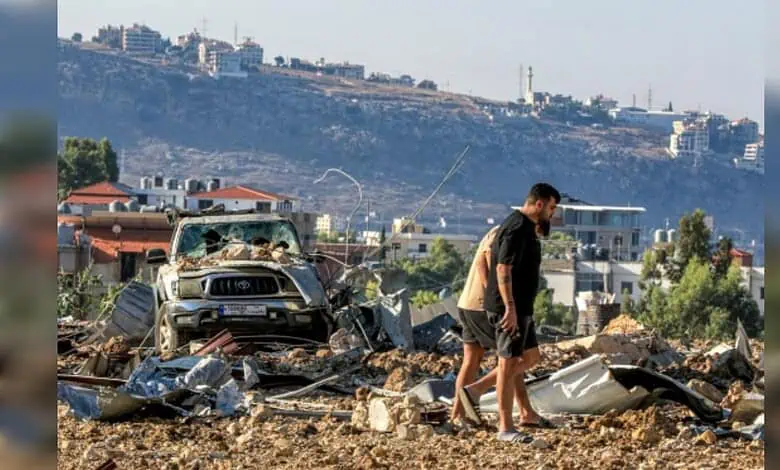
- An end to Israeli home demolitions in southern Lebanese villages under occupation
- Full withdrawal of Israeli troops from Lebanese territory
- Release of Lebanese prisoners held in Israel
- Deployment of Lebanese army forces along the border
- Launch of reconstruction efforts in war-damaged areas
US Ambassador Mike Huckabee is expected to attend, underscoring Washington’s role as mediator in the rare direct negotiations. The last direct talks between the two neighbours occurred in 1993.
Hornuz Flashpoint: Regional Tensions Intensify
While diplomats seek peace in Lebanon, the strategic Strait of Hormuz is once again a global flashpoint. Iran has threatened to close the waterway again unless the US ends its naval blockade of Iranian ports, even after briefly declaring the strait fully reopened.
President Donald Trump has refused to lift the blockade, warning the ceasefire may not extend past Wednesday’s deadline unless a long-term deal is reached.
The Strait of Hormuz handles roughly 20% of global oil trade, and any closure would trigger immediate spikes in energy prices worldwide.
What’s at Stake
The juxtaposition of these two diplomatic tracks reveals the complexity of the region:
| Track | Goal | Key Challenge |
|---|---|---|
| Israel-Lebanon talks | Extend ceasefire, disarm Hezbollah | Multiple violations by both sides |
| Hormuz negotiations | Keep waterway open for shipping | Iran demands end to US naval blockade |
Broader Implications
Analysts warn that progress in Washington could be undone by escalation in the Gulf. “The ceasefire in Lebanon is holding, but it’s fragile,” said a State Department official. “Any Hormuz disruption could derail regional de-escalation entirely.”
Lebanon’s government hopes the talks will pave the way for a permanent end to the war, while Gulf states are watching closely as shipping threats compound economic pressures across the Middle East.
As the clock ticks toward the April 26 ceasefire deadline, the world watches whether diplomats can secure peace in Lebanon while simultaneously preventing a wider war over the world’s most critical oil chokepoint.