


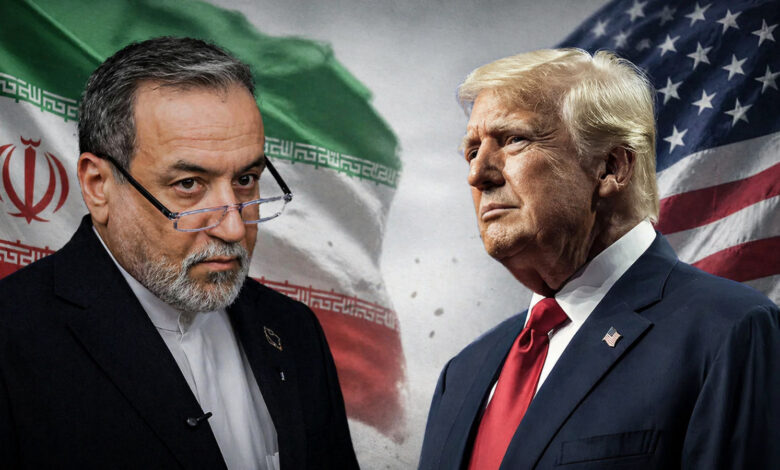
Tensions between Iran and the United States surged again on Monday after Tehran warned that any return to war would bring “many more surprises,” following fresh threats from President Donald Trump to launch a new assault if negotiations fail.
The warning, delivered by Iranian Foreign Minister Abbas Araghchi, came in response to Trump’s latest ultimatum, in which he told Tehran it had only a short window to agree to a deal or face renewed military action. Araghchi said Iran had already learned from previous rounds of conflict and was prepared to respond with capabilities Washington had not fully accounted for.
His remarks were unusually blunt, reflecting the sharp deterioration in rhetoric after a brief and fragile lull. Iran’s military also signaled that it was ready to open “new fronts” if strikes resumed, underscoring how quickly the standoff could widen beyond the current battlefield. That warning has added a new layer of uncertainty to an already volatile regional crisis.
Trump’s latest comments have deepened concerns that diplomacy is slipping further out of reach. According to reports, the US president indicated that he was prepared to order a “full assault” if Tehran did not meet American demands, reviving fears of a broader confrontation involving Israel and other regional players. The message from Washington was clear: time is running out.
For Iran, the language is meant to signal deterrence. By invoking “surprises,” Tehran is trying to convince its rivals that a renewed campaign would not be a repeat of earlier clashes. Iranian officials have repeatedly insisted that the country’s armed forces are more prepared than before and have used the period of relative calm to strengthen their defensive and offensive capabilities.
The exchange has also reignited fears across the Middle East, where even a limited escalation could have global consequences. Oil markets have already reacted nervously to the prospect of a wider conflict, and shipping routes, energy infrastructure and allied bases could all become potential flashpoints if the standoff worsens.
Analysts say the present crisis has the hallmarks of a dangerous brinkmanship cycle: aggressive warnings, short deadlines, military signaling and almost no room for face-saving compromise. That combination leaves little margin for error. One misread statement, one miscalculated strike or one retaliatory move could push both sides into a conflict neither may fully control.
For now, the battlefield is still diplomatic as much as military. But the language from both sides suggests that the ceasefire in spirit, if not always in fact, is becoming increasingly fragile. And with Trump threatening a renewed assault and Iran promising “surprises,” the region appears to be entering another perilous phase.