

The Supreme Court on Wednesday refused to urgently hear a plea challenging police action against student protesters during the Cockroach Janta Party (CJP) march in Delhi. Chief Justice of India Surya Kant told the petitioners’ lawyer, “Don’t waste our time,” when counsel sought an early listing and offered video evidence of alleged police excesses.
What Happened in Court
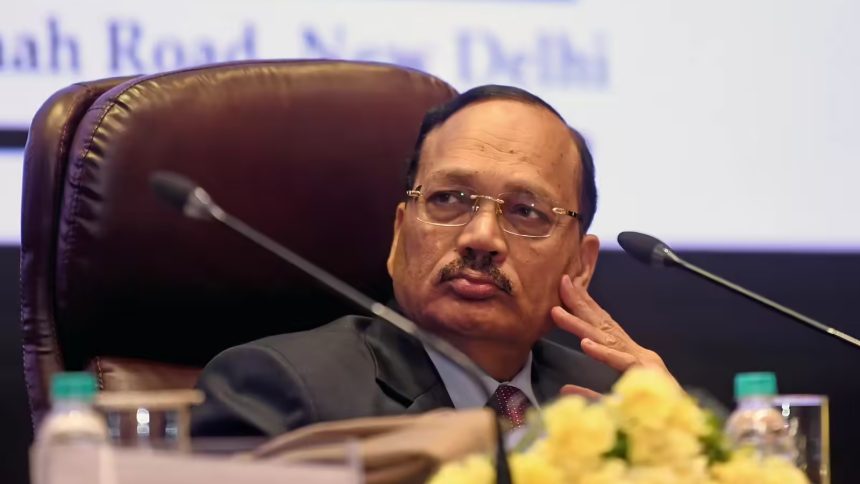
A bench headed by CJI Surya Kant heard the mention on Wednesday. The petitioners’ lawyer said students faced police aggression during Monday’s protest and asked for an urgent hearing, possibly the next day. He also said he had videos showing police violence.
The CJI cut him short. “We are not interested in videos; we don’t have time to watch,” the CJI said. When the lawyer pressed again, the bench repeated, “Don’t waste our time, and don’t waste your time.” The court declined to schedule the matter urgently and directed the petitioners to approach the Delhi High Court, which is already seized of similar issues.
The Protest That Sparked the Plea
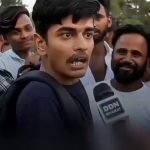
The plea relates to police action during the CJP-led demonstration towards Parliament on Monday, July 20, 2026. Thousands of students and young activists gathered in central Delhi. They demanded the resignation of Education Minister Dharmendra Pradhan over alleged exam irregularities and called for reforms in the National Testing Agency.
Clashes broke out as demonstrators tried to move towards Parliament. Police used batons and tear gas to disperse the crowd. Several students reported injuries and detentions.
Why the Court’s Response Matters
The CJI’s sharp remarks signal the Supreme Court’s reluctance to intervene at the “mentioning” stage without a formal listing. The bench also indicated it would not review video footage during a brief mention. Instead, the court pushed the matter back to the Delhi High Court, which had earlier refused to urgently hear a similar plea, saying, “Don’t drag the Court into this.”
This sequence leaves student protesters with limited immediate judicial recourse at the top court. It also raises questions about how courts will handle evidence of alleged police excesses in fast-moving protest situations.
What Petitioners Sought
The petition included three specific requests, according to the lawyer:
- An urgent hearing on police action during the protest
- Protection for students facing multiple FIRs or detentions
- A probe into alleged police brutality, supported by video evidence
The bench did not entertain these requests during the mention. The CJI’s comments—”Thank you very much,” after the lawyer highlighted NEET and NTA reforms—suggested the court viewed the plea as better suited for the High Court’s regular process.
Petitioners are expected to file a fresh motion before the Delhi High Court or seek a regular listing in the Supreme Court. Meanwhile, protests and political pressure continue. Student groups have called for dialogue with MPs and have demanded accountability for police action.
The government, for its part, has signaled it wants to discuss education reforms in Parliament. Whether that leads to concrete access for student leaders—or a structured channel for their demands—remains unclear.