


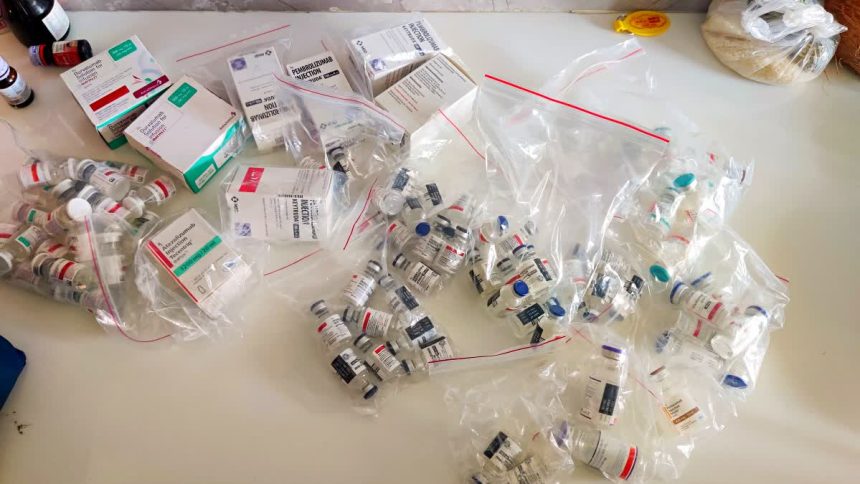
New Delhi: India’s drug regulator has intensified its surveillance drive. The Central Drugs Standard Control Organisation (CDSCO) flagged 159 drug samples as “Not of Standard Quality” (NSQ) in June 2026. In the same period, authorities also found one spurious drug sample in Assam.
What the latest alert shows
CDSCO said central drug laboratories identified 27 NSQ samples, while state drug testing labs reported 132 more. The list includes commonly used medicines such as paracetamol, antibiotics, diabetes tablets, vitamin supplements, and cough syrups.
The spurious drug found in Assam was manufactured by an unauthorised entity under the brand name of another company. Investigators are now tracing the supply chain under the Drugs and Cosmetics Act.
Five-year crackdown: 3,599 prosecution cases
Over the past five years, drug regulators across India have filed 3,599 prosecution cases against manufacturers, distributors, and sellers involved in substandard and spurious drug cases. The push reflects a broader effort to tighten quality control and hold offenders accountable.
Action taken so far
State drug controllers have ordered recalls of the affected batches. They have also initiated action against the firms involved. In Himachal Pradesh alone, 45 of the 159 failed samples were traced to local manufacturers. Authorities have directed companies to withdraw stock from the market and face penalties under the law.
What this means for patients
CDSCO has clarified that the NSQ tag applies only to the specific batches tested. It does not mean all batches of the same drug are defective. However, patients and doctors are advised to check batch numbers and report any adverse reactions.
Why it matters
Substandard and spurious drugs pose serious risks to public health. They can lead to treatment failure, antibiotic resistance, and even deaths. The latest alert shows that regulators are stepping up checks, but enforcement remains a challenge across a vast and fragmented market.
What’s next
With more than 3,500 prosecution cases already filed, the message is clear: the government is serious about cracking down on drug quality violations. For patients, the advice is simple—buy medicines from licensed pharmacies, check packaging, and stay alert to official alerts.