

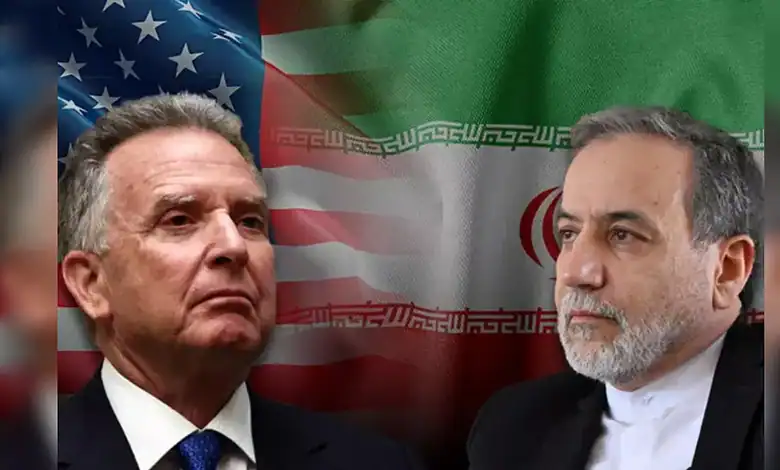
US and Iranian officials are heading to Switzerland for another round of high-stakes talks, raising hopes that diplomacy may still have room to work despite months of tension. The meeting comes at a delicate moment, with both sides trying to keep the door open while the pressure around Iran’s nuclear file continues to build.
What makes this round especially important is the sense that the talks are happening against a ticking clock. Recent reporting says the discussions were delayed, but both sides are still trying to get negotiations back on track, which keeps the spotlight firmly on Geneva.
Why Switzerland Matters
Switzerland has once again become the backdrop for one of the world’s most watched diplomatic contests. The country has hosted earlier rounds of indirect US-Iran talks this year, often with Oman acting as mediator between the two delegations.
That setting matters because these talks are not just about protocol; they are about trust, timing and survival. When direct dialogue is difficult, a neutral location can give both sides enough space to keep talking without losing face.
What’s At Stake
At the center of the talks is Iran’s nuclear programme, sanctions relief and the broader question of whether a deal can be reached without another crisis. Earlier rounds reportedly produced some progress, but major gaps remain and officials have continued to stress that details still need to be worked out.
The tone has been cautious, but not hopeless. Iranian officials have spoken of “important” and “practical” proposals, while U.S. officials have also acknowledged that progress has been made, even if no final breakthrough has arrived yet.
Pressure Outside The Room
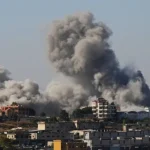
These talks are unfolding while military and political pressure remain in the background. Reporting from this week suggests the diplomatic schedule has already been affected, with travel plans changing and negotiations delayed, underscoring how fragile the process remains.
That is what gives the story its drama. On one side is the possibility of a diplomatic opening; on the other is the constant risk that one setback could push the entire process back into confrontation.
A Familiar Diplomatic Gamble
This is not the first time US-Iran negotiations have carried big expectations. Previous rounds in Geneva produced cautious optimism, but the outcome always depended on whether both sides could convert broad principles into concrete concessions.
That is why the Switzerland talks matter far beyond the conference room. They are not just another meeting; they are a test of whether diplomacy can still outpace escalation.