


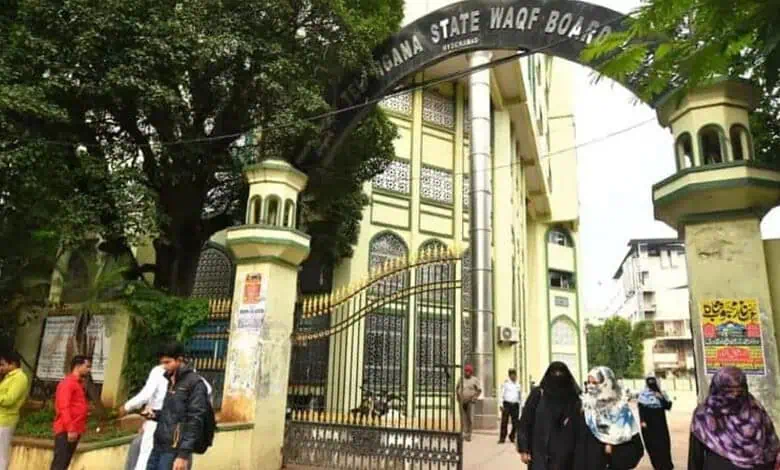
After nearly a decade of waiting, the Telangana government has handed back control of the Waqf Board’s record room, ending a long and unusual chapter that kept crucial documents out of the board’s reach. The move is being seen as a major development for a body that has spent years trying to regain access to records linked to its properties and legal battles.
The decision matters because the record room has been at the center of controversy since it was sealed years ago. For the Waqf Board, this is not just about reopening a room; it is about recovering access to documents that could shape the future of land administration, ownership claims and pending disputes.
Why The Return Matters
The record room reportedly contained thousands of original Nizam-era documents, many of them tied to waqf, paigah, jagir and inam lands. Those records were considered vital because they could help verify ownership and strengthen the board’s position in disputes over land and encroachment.
That is why the handover has drawn so much attention. In a state where waqf properties have long been a sensitive and contested issue, access to the original records can change the tone of future legal and administrative battles.
A Long And Tense Wait
The record room had remained sealed for years after the government acted in response to allegations of irregularities at the board. Since then, the issue has repeatedly resurfaced, with Muslim organisations, officials and court observers demanding that the records be opened and digitised.
Even the courts have weighed in on the matter, ordering digitisation and pressing for access to the records section. That long legal and political backdrop makes this handover feel less like a routine administrative step and more like the closing of a long-running standoff.
What It Means For The Board
For the Waqf Board, regaining the room could improve its ability to verify claims, track property and deal with ongoing litigation. It could also support the broader digitisation push that officials have been trying to move forward for years.
But the return of the room is only the beginning. The real test will be how quickly the board can examine, organise and use the material inside it, especially if the documents are needed in court cases or property protection efforts.
Bigger Picture In Telangana
This story goes beyond one office or one department. It touches on questions of transparency, religious endowments, property rights and state control over sensitive records.
It also explains why the issue has stayed in the public eye for so long: when records are locked away, disputes do not disappear — they usually grow louder. Now that the room is back with the board, attention will shift to what the documents reveal and how fast they can be put to use.