

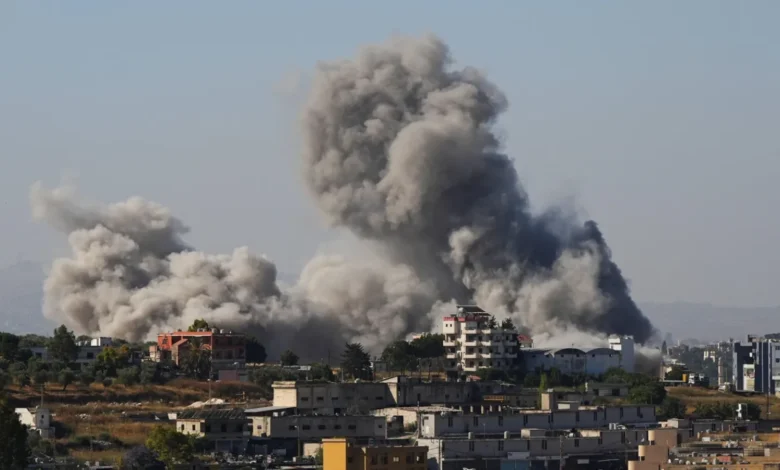
Israeli strikes have once again shaken Lebanon, killing seven people even as diplomatic efforts push for calm. The latest violence has cast fresh doubt on whether ceasefire talks can hold, with the ground reality moving in the opposite direction of the negotiations.
The dead included civilians and, in one reported strike, a child, underscoring how quickly the conflict continues to extract a human toll. Lebanon’s health ministry described the toll as preliminary, while state media said the attacks hit multiple locations in the country’s south and east.
A Fragile Calm Breaks Again
The strikes came despite efforts to maintain or restore a ceasefire, showing just how unstable the situation remains. Even when negotiators speak of de-escalation, the battlefield keeps reminding both sides that the truce is only as strong as the next round of attacks.
Reports also said an Israeli missile strike near Baalbek killed an Islamic Jihad commander and his teenage daughter, adding to the sense that the conflict is still capable of producing sudden and devastating blows.
Civilian Cost Stays High
What makes these attacks especially grim is the number of civilians caught in the middle. In the southern towns hit by the strikes, children were among the dead, turning the story from a military exchange into a deeply personal tragedy for ordinary families.
That civilian toll is likely to keep international pressure on both sides. When ceasefire talks are underway and people are still dying, every new strike becomes more than a battlefield event — it becomes a test of diplomatic credibility.
Talks Face Hard Reality
The renewed violence comes at a moment when ceasefire and broader diplomatic efforts are already under strain. Even where negotiations are still technically alive, reports suggest that political divisions and mutual distrust continue to block real progress.
That is what makes the Lebanon front so volatile. A ceasefire push may be underway, but the strikes themselves suggest that the gap between diplomacy and reality remains dangerously wide.
What This Means Next
For now, the central question is whether the latest violence derails fragile talks or forces new urgency into them. Lebanon has already seen how quickly temporary calm can collapse into another cycle of retaliation.[
The immediate result is clear: seven more lives lost, another round of fear, and another reminder that ceasefire talks mean little unless the guns actually fall silent.