


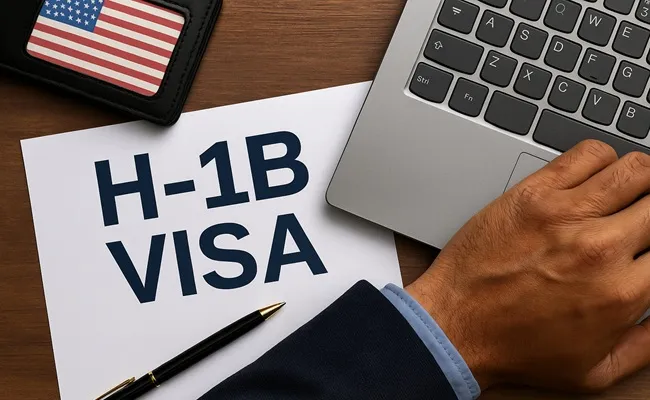
The U.S. has stepped up scrutiny of the H-1B visa system, launching a fraud hunt that is expected to send a warning signal across the technology sector. The move comes as Indian IT giants and other employers face growing pressure over compliance, hiring practices and visa-linked costs.
U.S. tightens H-1B scrutiny
The latest crackdown is aimed at identifying misuse of the H-1B programme, which has long been central to the American tech industry’s access to skilled foreign workers. Authorities are focusing on whether companies have followed the rules on recruitment, salary, job roles and documentation, with violations potentially inviting penalties and further restrictions.
For Indian IT companies, the development could add another layer of uncertainty at a time when the sector is already dealing with rising operational costs and shifting global demand. Large firms that depend on H-1B professionals for client-facing and onsite work may now need to review their hiring pipelines more carefully to avoid regulatory trouble.
The increased enforcement also reflects a broader political and economic debate in the U.S. over foreign skilled labour. While employers argue that the visa system helps fill talent gaps, critics say it has sometimes been used in ways that disadvantage domestic workers or create compliance loopholes.
Impact on Indian IT
Indian technology exporters are likely to feel the effects most sharply because they have traditionally been among the biggest users of the H-1B route. Any tightening of rules could make staffing projects more expensive and more difficult, especially for firms that rely on sending engineers to client locations in the U.S.
The phrase “fee” in the headline also suggests that costs linked to visa processing may become a bigger part of the discussion. Even modest changes in filing requirements, legal checks or documentation burdens can have a ripple effect on margins, project planning and client pricing.
What comes next
The immediate focus will be on how aggressively U.S. authorities pursue suspected violations and whether the scrutiny expands beyond a few companies. If enforcement intensifies, firms may have to strengthen internal audits, improve visa tracking and reduce reliance on risk-prone staffing models.
For now, the development serves as a reminder that the H-1B programme remains both essential and politically sensitive. Any move to police it more closely is likely to be felt not just by employers, but also by thousands of skilled workers whose careers depend on it.