


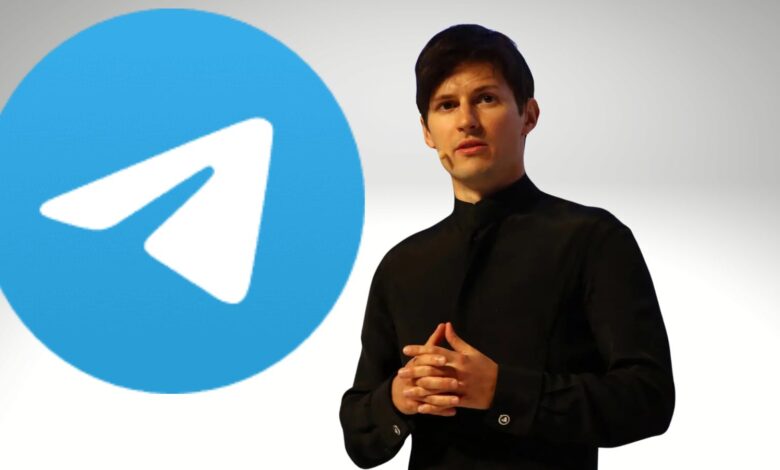
Telegram founder and CEO Pavel Durov has ignited a fresh tech-world firestorm, accusing Reliance and WhatsApp of being behind efforts to ban Telegram in India, a claim that has instantly turned a platform dispute into a high-stakes corporate showdown.
Durov’s allegation has sent shockwaves through India’s digital ecosystem because it touches three of the most sensitive flashpoints in the tech industry: competition, telecom power, and government regulation. His comments suggest that Telegram’s troubles are not just about compliance or moderation, but about a much bigger battle over who controls India’s messaging market.
What Durov Claims
Durov says Telegram was not only facing pressure inside India, but that Reliance may also have been disrupting access to the app for users outside the country. He linked the issue to a technique known as BGP hijacking, which can interfere with how internet traffic is routed.
He also claimed he would not be surprised if Reliance and WhatsApp were connected to lobbying efforts to push for a Telegram ban in India. The remark has widened the controversy far beyond one app and into the realm of telecom politics and corporate rivalry.
Why the Claim Hit a Nerve
The reason this story is exploding is simple: Telegram is hugely popular in India, especially among users who rely on it for fast messaging, large communities and file sharing. Any hint that the app is being blocked or pressured raises immediate questions about fairness and competition.
If Durov’s claims gain traction, the debate will likely move from app regulation to market power. That would put intense scrutiny on the relationship between telecom infrastructure, platform access and corporate influence.
Reliance Under The Spotlight
Reliance has not just been drawn into the story — it is now at the center of it. Durov’s allegation implies that one of India’s largest telecom players may have had a role in limiting Telegram access, which is the kind of accusation that rarely stays inside the tech press for long.
For Reliance, the challenge is not only technical but reputational. Even without direct proof, the claim alone is enough to fuel public suspicion in a country where messaging apps are deeply embedded in daily life and business.
The WhatsApp Angle
Durov’s mention of WhatsApp adds another layer of intrigue. WhatsApp is Telegram’s biggest rival in India, and bringing it into the conversation turns this from a telecom issue into a classic platform war.
That is what makes the story so clickable: people are not just reading about a temporary app problem, but about a possible battle between the world’s biggest messaging platforms. If true, it would suggest the fight for Indian users is getting much more aggressive behind the scenes.
What Happens Next
For now, the key question is whether the allegations are backed by evidence that can stand up to scrutiny. If not, the issue may fade as another high-profile social media clash. If yes, it could trigger regulatory attention and push the story into a much bigger legal and political arena.
Either way, Durov has made sure the conversation is no longer just about Telegram. It is now about power, access and the future of digital competition in India.