


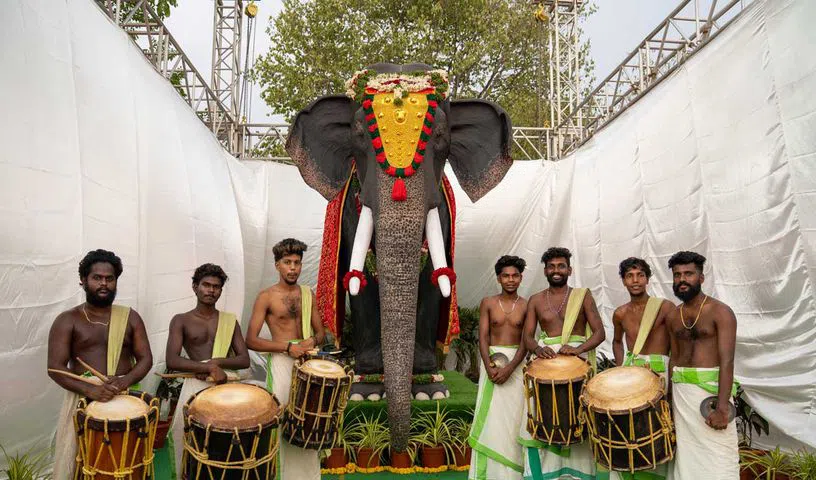
In a move that blends tradition with technology, PETA India has gifted a life-size robotic elephant that can be used for rituals and film shoots without involving a live animal. The initiative is drawing attention for its unusual mix of compassion, spectacle and practicality, and it is likely to spark a wider conversation about how India can preserve customs while reducing animal suffering.
The mechanical elephant is designed to look and move like a real one, offering temples and film crews a cruelty-free alternative. For many observers, that makes it more than a novelty — it is a statement about where tradition may be heading in a modern age.
A New Face For Tradition
The robotic elephant is meant to serve a clear purpose: keeping ceremonial and cinematic visuals intact without putting a living elephant through stress, transport or training. That matters because elephants are still widely used in religious processions and film productions, often under conditions that animal welfare groups have long criticized.
By introducing a mechanical substitute, PETA India is trying to show that rituals do not need to depend on live animals to feel authentic. The result is a striking example of how technology can be used to protect both tradition and welfare at the same time.
Why It Stands Out
What makes this story compelling is not just the robot itself, but the symbolism behind it. A machine stepping into a role long occupied by a sacred animal is the kind of image that naturally grabs public attention and fuels debate.
Supporters will likely see it as a humane innovation that respects culture while avoiding cruelty. Critics may argue that it changes the emotional texture of rituals. Either way, the move ensures that the conversation will not fade quickly.
Film And Faith
The elephant’s dual use in rituals and film shoots is especially interesting because it connects two very different worlds. Temples can preserve ceremonial pageantry, while filmmakers get a visually powerful prop that avoids ethical concerns around live-animal handling.
That combination could make the robotic elephant more than a one-off donation. If it proves successful, it may become part of a larger shift toward humane alternatives in both public worship and entertainment.
A Bigger Message
Beyond the headlines, the gift sends a clear message: compassion and tradition do not have to be enemies. In a country where elephants have deep cultural significance, a robotic stand-in offers a possible middle path between preservation and reform.
Whether this catches on widely remains to be seen, but it has already done what strong stories do best — it has made people stop, look again and ask what rituals might look like in the years ahead.