


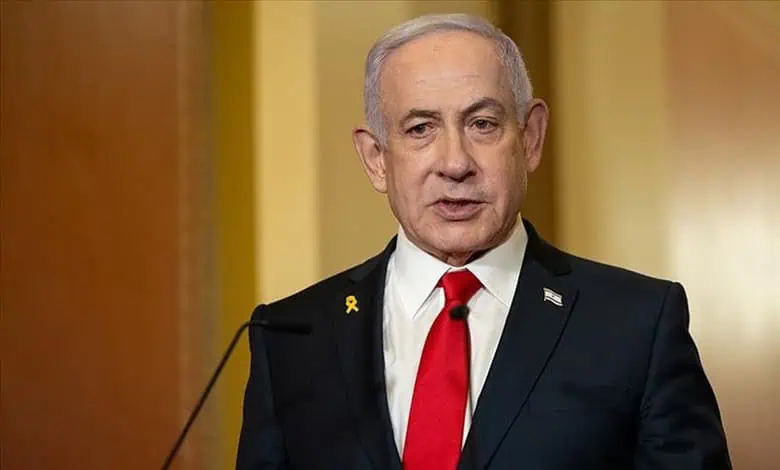
Israeli Prime Minister Benjamin Netanyahu has issued one of his most forceful declarations on Iran’s nuclear ambitions, stating unequivocally that “Iran will never have nuclear weapons” in the wake of days of intense military conflict that have reshaped the Middle East’s power balance.
The Israeli leader’s statement comes after a series of strikes that have devastated Iran’s nuclear infrastructure and military capabilities, marking what analysts describe as the most significant confrontation between the two nations in recent history.
The War That Changed Everything
Over the past several days, Israel has launched what military experts are calling a coordinated and devastating campaign against Iran’s nuclear facilities and military installations. The strikes have targeted critical infrastructure that Washington and Tel Aviv have long feared could enable Iran to develop nuclear weapons.
Netanyahu’s declaration follows what he described as “successful operations” that have crippled Iran’s ability to pursue nuclear weapons development. The Israeli prime minister emphasized that the strikes have fundamentally altered the strategic landscape in the region.
“Iran’s nuclear program has been severely degraded,” Netanyahu stated. “The pathway to a nuclear weapon has been closed. Iran will never achieve what they have sought for decades.”
Iran’s Nuclear Program: Years of Tension
Iran’s nuclear ambitions have been a source of international tension for more than two decades. The Islamic Republic has consistently maintained that its nuclear program is for peaceful purposes, including energy production and medical research. However, Western nations and Israel have long suspected Tehran of pursuing nuclear weapons capability.
The International Atomic Energy Agency (IAEA) has reported multiple times that Iran has not been fully complying with nuclear oversight requirements, raising concerns about the country’s intentions. Israel has repeatedly stated that a nuclear-armed Iran would be an existential threat to the Jewish state.
For years, Israel has pursued a strategy of preventing Iran from obtaining nuclear weapons through diplomatic pressure, covert operations, and, when necessary, military action. Netanyahu’s latest declaration represents the culmination of this long-standing policy.
What the Strikes Targeted
While Israel has not released detailed information about specific targets, military analysts believe the strikes hit several key facilities:
- Nuclear research and production sites where Iran has developed uranium enrichment capabilities
- Military installations that support the country’s defense and missile programs
- Command and control facilities linked to Iran’s Revolutionary Guard forces
- Infrastructure supporting nuclear weapons development
The precision of the strikes has drawn attention from international observers, with many noting the sophistication of Israel’s military operation.
Global Reaction: Support and Concern
The international response to Israel’s actions has been mixed. The United States has expressed support for Israel’s right to defend itself against what President Donald Trump and other American officials have described as an existential threat.
However, some European nations and international organizations have expressed concern about the potential for escalating conflict in the Middle East. The strikes have raised questions about whether the conflict could spiral into a wider regional war involving other actors.
Netanyahu’s War Message to Iran
In his address, Netanyahu directly addressed the Iranian leadership, stating that Israel’s actions demonstrate its determination to prevent Iran from obtaining nuclear weapons.
“To the leaders of Iran: Your dream of a nuclear weapon is dead,” Netanyahu said. “Israel will not allow you to threaten our existence. We have taken decisive action, and we will continue to do so.”
The Israeli prime minister also emphasized that Israel remains committed to preventing any future attempts by Iran to restart its nuclear weapons program.
The Strategic Implications
Military experts say Netanyahu’s declaration carries significant strategic weight. By stating that Iran will never have nuclear weapons, Israel is making a bold assertion about the effectiveness of its military campaign and its long-term commitment to preventing Iran’s nuclear ambitions.
The statement also signals to the international community that Israel views the nuclear threat from Iran as resolved—at least for the present. This could influence future diplomatic negotiations and international policy regarding Iran’s nuclear program.
What Happens Next: The Road Ahead
The aftermath of the strikes will likely see several developments:
- International investigations into the extent of damage to Iran’s nuclear facilities
- Diplomatic efforts to prevent further escalation of the conflict
- Iranian response, which could range from diplomatic condemnation to retaliatory actions
- Regional security discussions among Middle Eastern nations about the new strategic reality
- U.S. policy adjustments regarding Iran and the broader Middle East situation
The Human Cost
While military and strategic concerns dominate the discussion, the conflict has also resulted in civilian casualties and destruction. Reports indicate that the strikes have caused damage to residential areas and infrastructure, raising humanitarian concerns among international organizations.
The humanitarian impact of the conflict remains a critical issue, with calls for protecting civilian populations and ensuring access to essential services in affected areas.
Why This Matters for the World
The confrontation between Israel and Iran has global implications. A nuclear-armed Iran would fundamentally alter the balance of power in the Middle East and could trigger a cascade of nuclear developments across the region. Netanyahu’s declaration that Iran will never have nuclear weapons represents Israel’s determination to maintain its strategic position and prevent what it views as an existential threat.
The conflict also has implications for global energy markets, with the Middle East producing a significant portion of the world’s oil. Any prolonged instability in the region could affect oil prices andglobal economic stability.