


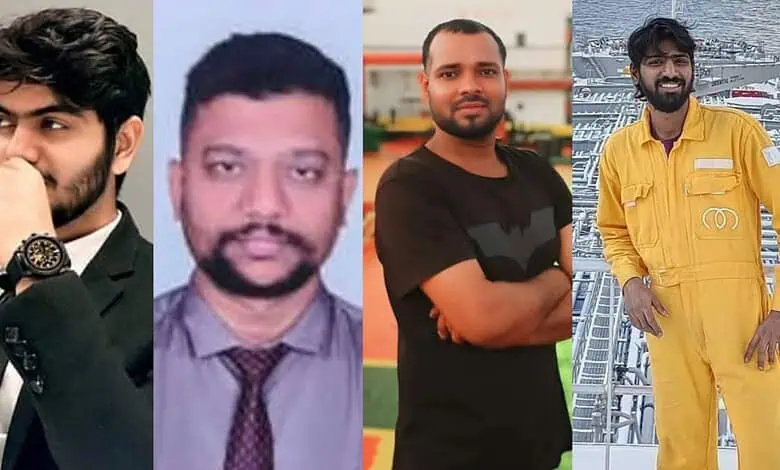
A heart-wrenching ordeal has finally ended for 20 Indian sailors whose vessel, the MT Jalveer, was hijacked weeks ago by pirates. All crew members have safely returned to India, marking a triumphant resolution to one of the most worrying maritime hostage situations involving Indian nationals this year.
The crew arrived home to tearful reunions with families who had been praying for their safe return. Security officials escorted the sailors as they stepped off the aircraft, their faces showing the exhaustion of weeks spent in captivity but also the relief of being back home.
The Hijacking That Sparked International Concern
The MT Jalveer was hijacked by pirates in what security experts described as a coordinated and dangerous attack. The vessel, carrying Indian crew members, was seized while navigating through a risky maritime zone, leaving the 20 sailors trapped aboard with their freedom and safety in the hands of armed pirates.
The hijacking triggered immediate concern from the Indian government, with officials working behind the scenes to negotiate the crew’s release. Families across India held their breath as news of the hostage situation spread, with many fearing the worst after previous maritime kidnappings turned deadly.
Government’s Secret Negotiations: How the Crew Was Freed
Indian authorities conducted what officials described as “intense negotiations” to secure the release of the MT Jalveer crew. The government’s efforts involved complex diplomatic channels and coordination with international maritime security forces.
While details of the negotiations remain confidential for security reasons, officials confirmed that the government worked tirelessly to ensure all 20 crew members were released unharmed. The mission’s success comes after weeks of uncertainty, with families receiving sporadic updates about their loved ones’ conditions.
Maritime security experts praised the government’s approach, noting that the safe release of all crew members without any casualties demonstrates the effectiveness of India’s diplomatic and security coordination on international waters.
Heartbreaking Reunions: Families Embrace After Weeks of Terror
The moment the 20 sailors arrived at the airport in India, the scene was one of pure emotion. Family members rushed to embrace their loved ones, with tears of joy flowing as the ordeal finally ended.
“My husband called me one time during those weeks and said he was scared but hopeful,” said one crew member’s wife, who arrived at the airport with their children. “I never stopped believing he would come back home. Today, that dream is real.”
Another family member described the weeks as “the most terrifying time of my life,” adding that the entire family had been praying daily for the crew’s safe return. “When we heard the news that they were all coming home, I couldn’t stop crying. It’s the best day of our lives.”
What Happened to the MT Jalveer?
While the crew’s safe return has been confirmed, details about the vessel itself remain unclear. The MT Jalveer’s current status and whether it was recovered or abandoned during the piracy incident are still being investigated by maritime authorities.
Security officials have indicated that investigations into the hijacking are ongoing, with efforts to identify and prosecute the pirates responsible for the attack. The incident has raised serious concerns about maritime security in the region where the hijacking occurred.
India’s Maritime Workers: Frontline Heroes in Danger
This incident highlights the ongoing risks faced by Indian maritime workers, who form one of the largest pools of seafarers globally. Indian crew members work on thousands of vessels worldwide, often navigating through dangerous waters where piracy remains a threat.
The maritime industry employs over 200,000 Indian nationals, making India one of the top ship Manning countries in the world. These workers are the backbone of global shipping, transporting everything from oil to consumer goods across international waters.
Previous Maritime Hostage Situations: A Pattern of Danger
India has faced several maritime hostage situations in recent years, each sparking international concern and government intervention. Previous incidents have included crew members from Indian vessels being held by pirates in various regions, with some cases lasting months before resolution.
The safe return of all 20 MT Jalveer crew members is particularly significant given the stakes involved. Previous maritime kidnappings have sometimes resulted in tragic outcomes, making this successful resolution a rare victory for India’s diplomatic and security efforts.
What This Means for Indian Seafarers Going Forward
The MT Jalveer incident has prompted renewed discussions about enhanced security measures for Indian vessels navigating through high-risk maritime zones. Industry experts and government officials are now reviewing current protocols to better protect Indian seafarers.
The maritime industry is calling for increased investment in vessel security systems, better coordination with international naval forces, and improved training for crew members on piracy response protocols.
A Victory for Diplomacy and Human Destiny
The safe return of all 20 Indian crew members represents more than just a successful hostage rescue — it’s a testament to the power of diplomatic negotiation and the Indian government’s commitment to protecting its citizens abroad, no matter where they are or how dangerous the situation.
“This is a victory for diplomacy, for human destiny, and for the thousands of Indian families who depend on maritime workers,” said a senior government official. “Our people are safe, and that’s what matters most.”