


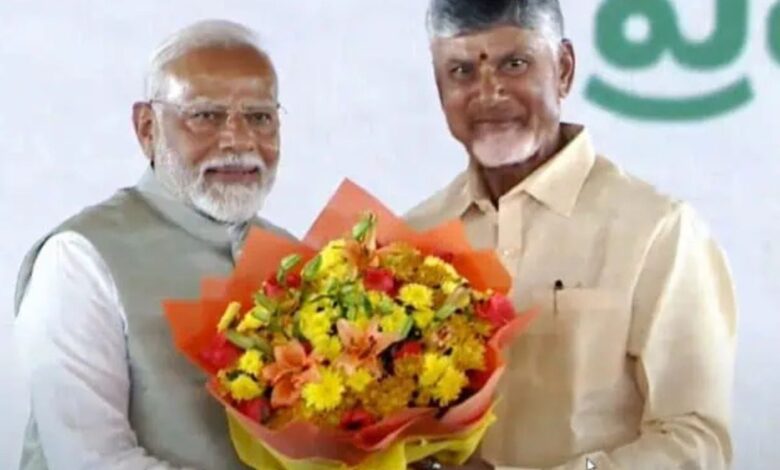
Andhra Pradesh Chief Minister Chandrababu Naidu has delivered a scathing warning to the central government, revealing that the Centre is planning to reintroduce the controversial Delimitation Bill that could fundamentally reshape India’s political map and drastically reduce representation for southern states.
The announcement has sparked immediate outrage across South India, with political leaders and citizens fearing that the bill will punish states that have successfully controlled their population growth while rewarding those that haven’t.
What Is the Delimitation Bill and Why Does It Matter?
The Delimitation Bill is a legislative proposal that would redraw the boundaries of parliamentary and assembly constituencies based on the latest population data. The bill’s reintroduction means the government will finally use the 2026 census data to determine how many seats each state gets in the Lok Sabha and state legislatures.
The current allocation of parliamentary seats is based on the 1971 census, when India’s population was significantly lower and unevenly distributed across states. This has created a massive imbalance where southern states like Tamil Nadu, Kerala, Andhra Pradesh, and Karnataka have successfully reduced their population growth rates but received no political reward for their efforts.
“We controlled our population, we educated our people, we developed our states — and now we are being punished for it,” Naidu said in a fiery speech. “This is not justice. This is punishment for good governance.”
The South’s Bitter Fear: “Population Control = Political Penalty”
Naidu’s revelation has exposed the deep anxiety among southern states about the delimitation process. The core fear is simple: states that controlled population growth will get fewer seats in the Lok Sabha, while states with higher population growth will gain more representation.
Tamil Nadu has already reduced its population growth rate to less than 1% per year, while Kerala has achieved one of the lowest population growth rates in India. Andhra Pradesh and Karnataka have also made significant progress in population management.
But under the proposed delimitation, these achievements will translate into political losses. The southern bloc could lose dozens of parliamentary seats, dramatically reducing their influence in national decision-making.
Naidu’s Fury: “Centre Is Playing Politics With Our Future”
The Andhra Pradesh chief minister’s tone was unmistakably angry when he addressed the issue. “The Centre is planning to reintroduce this bill without proper consultation with southern states,” Naidu said. “They are not listening to our concerns. They are not respecting our contributions to India’s development.”
Naidu accused the central government of ignoring the southern states’ warnings about the delimitation’s impact. “We have been saying this for years. We told them the bill will hurt southern states. They didn’t listen. Now they are going to do it anyway.”
The chief minister’s statement comes after months of tension between Andhra Pradesh and the Centre over various issues, including project approvals, fund allocations, and political representation.
What the Numbers Say: The Stark Reality
The mathematics of delimitation is chilling for southern states. Based on population projections and the 1971 census baseline:
- Tamil Nadu could lose 10-15 Lok Sabha seats
- Kerala could lose 8-12 seats
- Andhra Pradesh could lose 12-18 seats
- Karnataka could lose 10-15 seats
Meanwhile, states in North and Central India with higher population growth rates could gain significant representation. Uttar Pradesh, Bihar, Madhya Pradesh, and Rajasthan are expected to see the biggest gains in parliamentary seats.
The total number of Lok Sabha seats could increase from the current 543 to over 700, but the southern share of that total would shrink dramatically.
The Historical Context: Why 1971 Census Still Rules
The 1971 census has been the basis for seat allocation for over 50 years because of a constitutional provision that froze the number of seats for each state until after the first census taken after 2026. This was done to encourage states to control population growth without fearing political punishment.
But now that the freeze is ending, the government is preparing to use the latest population data. The constitutional amendment allowing this change was passed in recent years, setting the stage for the delimitation process.
The 1971 census showed India’s population at around 548 million. Today, it’s over 1.4 billion — a massive increase that has changed the demographic balance across the country.
Southern States Unite: A Common Frontier Against Delimitation
Naidu’s announcement has triggered a wave of solidarity among southern state leaders. Political chiefs from Tamil Nadu, Kerala, Karnataka, and Andhra Pradesh are reportedly planning joint meetings to coordinate their response to the delimitation bill.
The southern bloc is calling for:
- Special protection for states that achieved population control
- Alternative criteria for seat allocation that doesn’t penalize development
- Constitutional amendments to protect southern representation
- Immediate consultation before any bill is reintroduced
“We cannot allow our states to be punished for good governance,” said one southern leader. “This is about our future, our children’s future, and India’s future.”
The Political Fallout: What Happens Next?
The delimitation controversy is expected to become a major political issue in the coming months. Southern states are likely to use this as a rallying point for opposition against the central government, potentially affecting elections and national politics.
The bill’s reintroduction could trigger:
- Legal challenges in the Supreme Court over constitutional violations
- Protests and demonstrations across southern states
- Political unity among opposition parties in the South
- Negotiations between state governments and the Centre
- Media campaigns highlighting the delimitation’s impact
What Citizens Need to Know
The delimitation bill directly impacts every Indian citizen’s political representation. Fewer Lok Sabha seats means less influence in national decision-making, weaker representation for southern issues, and reduced ability to secure government funds and projects for southern states.
For voters in southern states, this could mean:
- Reduced political voice in Parliament
- Less funding for state development projects
- Weaker representation for regional concerns
- Diminished influence on national policies
The Bigger Question: Is India Fair to Its Best Performers?
Naidu’s criticism raises a fundamental question about India’s political system: Should states that achieve better development outcomes be punished for their success? Should population control, education, and economic development result in political losses?
“This is not just about delimitation,” Naidu said. “This is about whether India rewards good governance or punishes it. We controlled our population, we educated our people, we built our states. And now we are being told we deserve less representation? This is wrong.”
The debate over delimitation is about more than just numbers — it’s about the future of federalism in India, the balance of power between states and the Centre, and whether development should be rewarded or penalized in India’s political system.