


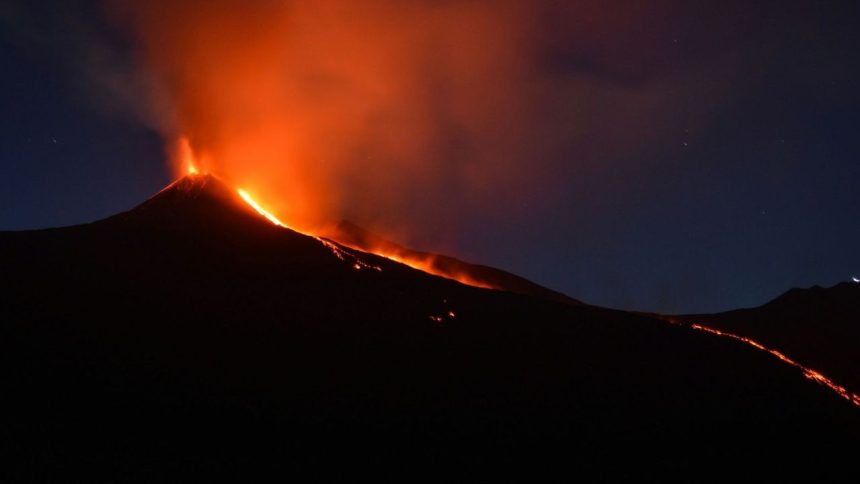
Mount Etna’s latest eruption has once again disrupted travel across eastern Sicily, forcing Catania–Fontanarossa Airport to suspend flights and blanketing nearby towns in ash. The blast has sent travel plans into chaos, grounded aircraft, and turned a routine holiday into a scramble for thousands of passengers.
Fast facts
- What happened: Mount Etna erupted, ejecting ash clouds and lava flows that reduced visibility and raised safety concerns for aircraft.
- Immediate impact: Catania–Fontanarossa Airport suspended arrivals and departures until the ash hazard clears and runways are inspected.
- Affected travelers: Hundreds to thousands of passengers faced delays, cancellations and rerouting; regional trains and ferries reported knock‑on effects.
- Safety: Local authorities have issued ashfall warnings and advised residents to stay indoors, protect respiratory health and cover water sources.
Why the airport closed
Volcanic ash is a major hazard for aviation: it can damage engines, clog sensors and abrade cockpit windows. Airport authorities ordered the suspension as a precaution while assessing ash density, runway contamination and the risk to aircraft systems. Safety checks and runway cleanup must be completed before normal operations resume.
How this affects your travel plans
- Flights: If you’re scheduled to fly to or from Catania in the next 24–48 hours, expect delays or cancellations. Check your airline app, sign up for notifications and contact your carrier about rebooking or refunds.
- Connections: International travelers with onward flights should contact airlines immediately; some carriers are arranging reroutes through Palermo or mainland Italy airports.
- Ground travel: Ashfall can reduce visibility and make roads slippery. Public transport timetables may change; verify with local operators before leaving for the airport.
- Health: Ash particles irritate eyes and lungs. Wear masks (N95/FFP2 where available), keep windows closed and avoid strenuous outdoor activity during heavy ashfall.
Practical tips for affected passengers
- Prioritize official sources: Rely on airport notices, airline messages and Italy’s civil protection updates rather than social media rumors.
- Keep documents handy: Boarding passes, ID, travel insurance details and proof of cancellations help when requesting refunds or accommodations.
- Pack essentials: Bring medication, masks, bottled water and a change of clothes in carry-on luggage in case of overnight delays.
- Know your rights: EU rules may entitle passengers to assistance and compensation for cancellations or long delays — check Regulation (EC) No 261/2004 for details.
Wider fallout and tourism impact
Catania is a major gateway to Sicily’s beaches, Mount Etna tours and UNESCO sites. Prolonged disruption could ripple through hotels, tour operators and local businesses during a peak travel period. Tour operators may cancel excursions to Etna until safety assessments and access routes clear.
When will flights resume?
That depends on ash dispersion and runway condition. Authorities will restart operations only after air‑quality monitoring, technical inspections and runway cleaning. Updates are likely to come in stages over the next 24–72 hours; travelers should monitor official airport and airline channels continuously.
How to stay updated
- Catania Airport official website and social accounts
- Your airline’s alerts and customer service lines
- Italy’s Department of Civil Protection (Dipartimento della Protezione Civile)
- Local media for road closures and public advisories
Volcanic eruptions are unpredictable, and safety must come first. If you’re in Sicily, follow local guidance and prioritize health precautions during ashfall. If you’re traveling, act fast: check your flight status, contact your carrier and secure alternate plans now.