


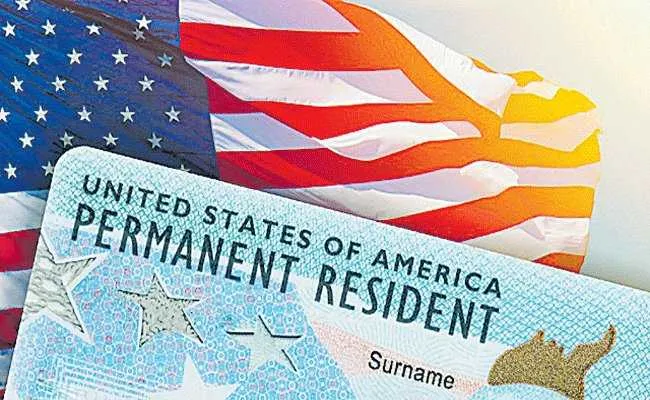
The path to a US employment-based green card may be about to get considerably more difficult. The Department of Labor is preparing a major overhaul of the labor market test that employers must clear before sponsoring foreign workers for permanent residency — a process known as PERM, or Permanent Labor Certification — according to a report by Bloomberg Law.
The move is part of a broader immigration crackdown under the Trump administration, and it targets a system that hasn’t seen a significant update since 2004.
Why Now?
The Labor Department’s rationale centers on how much hiring itself has changed. Recruitment today runs through online job boards, applicant tracking software, and digital platforms that didn’t exist when PERM rules were last revised two decades ago. Officials argue the current process no longer reflects how companies actually search for talent, and are proposing a rewrite that accounts for that shift.
Tougher Recruitment Proof for Employers
At the center of the changes is a basic but consequential requirement: employers may need to show far more convincing evidence that they genuinely tried to hire an American worker before turning to a foreign national for permanent sponsorship. Under current rules, this “labor market test” is often seen as a formality; the proposed reforms would raise the bar for what counts as a serious recruitment effort.
Layoffs Set to Draw Closer Scrutiny
A second, more sensitive strand of the plan deals with layoffs. The reforms are expected to add stronger protections for American employees who lose their jobs while their employer continues sponsoring foreign workers for green cards. In practice, that could mean closer examination of recruitment records and green card filings at companies that have recently cut staff — a politically charged issue that has surfaced repeatedly in immigration debates.
Part of a Wider Pattern
The PERM proposal doesn’t exist in isolation. It follows other recent moves by the administration, including a revamp of the H-1B visa selection process and draft rules that could significantly raise wage requirements for H-1B holders. Taken together, officials frame the PERM changes as another piece of a effort to curb what the administration describes as misuse of employment-based immigration programs.
The stakes are notable for Indian professionals in particular, since a large share of H-1B holders — many of them Indian nationals — eventually try to transition into employment-based green card queues that are already years, sometimes over a decade, long.
An Uncertain Road Ahead
None of this is finalized yet. But if adopted, employers sponsoring foreign workers could face more paperwork, stricter recruitment documentation, and greater regulatory scrutiny. For immigrants already navigating lengthy backlogs, additional compliance layers could mean further delays and uncertainty in cases that, in some categories, already stretch well beyond a decade.
The Labor Department’s rulemaking agenda isn’t limited to PERM — it also includes planned changes to rules covering independent contractors, heat-safety standards, mine safety, teenage work hours, tipped employees, and domestic workers. But for skilled foreign professionals watching the green card pipeline, the PERM changes are the one to track most closely, since they strike directly at the front end of the employment-based immigration process.