


A sobering new global cancer report from the World Health Organization has set off alarm bells among oncologists in India, who are urging the public not to panic — but to act. The WHO’s projections show new cancer cases could nearly double by 2050, a warning that health experts say should serve as a wake-up call for stronger prevention, screening and early treatment efforts, especially in fast-urbanising countries like India.
A Perfect Storm of Risk Factors
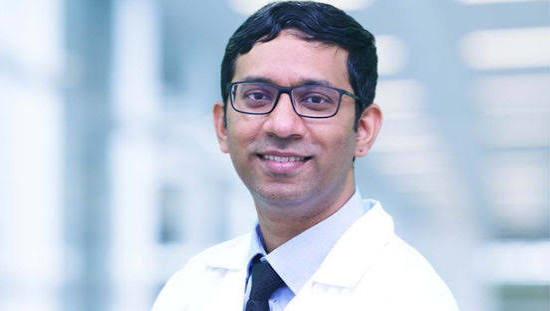
According to Dr. Ajesh Raj Saksena, Senior Consultant Surgical Oncologist at Apollo Hospitals, Jubilee Hills, the rising numbers aren’t the result of any single cause. Instead, they reflect a convergence of demographic and lifestyle shifts that are reshaping public health across the globe.
“The increasing cancer burden should not create fear but awareness,” Dr. Saksena said, pointing to population growth and rising life expectancy as major structural drivers. Layered on top of that, he said, is a steady creep of lifestyle-related risk factors — tobacco use, obesity, unhealthy diets, alcohol consumption and physical inactivity — all of which are becoming more entrenched as urban living, sedentary jobs and processed-food diets take hold.
It’s a combination that public health experts have flagged before, but the WHO’s fresh projections give it new urgency.
India’s Growing Cancer Map
Within this global picture, India has its own emerging hotspots. Dr. Saksena noted that the country is seeing a steady rise in breast, colorectal, lung and oral cancers — a mix that reflects both changing lifestyles and, in the case of oral cancers, the continued burden of tobacco and gutka use.
That combination, he said, makes public awareness and routine screening more critical than ever. Cancers that are caught early are often far easier — and cheaper — to treat than those diagnosed at advanced stages, when options narrow and outcomes worsen.
The Warning Signs People Ignore
One of the recurring themes in cancer care, oncologists say, is delay — patients waiting weeks or months before seeking medical attention for symptoms they assume are minor or unrelated.
Dr. Saksena urged people not to brush aside common warning signs, including:
- Unexplained weight loss
- Persistent lumps or swellings
- Abnormal bleeding
- Changes in bowel habits
- Non-healing ulcers or sores
“Seeking medical attention early can significantly improve survival outcomes and quality of life,” he said — a point echoed across oncology circles, where early-stage diagnosis consistently correlates with better survival rates and less aggressive treatment.
Prevention Still the Most Powerful Tool
Perhaps the most reassuring part of the message is also the simplest: much of this is preventable. Dr. Saksena listed a set of measures that, taken together, can substantially lower a person’s cancer risk —
- Regular cancer screening
- HPV and Hepatitis B vaccination
- Quitting tobacco
- Maintaining a healthy body weight
- Eating a balanced diet
- Staying physically active
For diseases like cervical and liver cancer, vaccination in particular has emerged as a powerful preventive tool, while lifestyle changes remain the frontline defence against a broader range of cancers linked to obesity, diet and inactivity.
Medical Advances Are Only Half the Equation
Cancer treatment itself has changed dramatically in recent years. Dr. Saksena pointed to advances in precision oncology, minimally invasive surgery, targeted therapy and immunotherapy, which have transformed outcomes for many patients over the past decade — offering more effective, less invasive options than were available even a generation ago.
But he was careful to stress that technology alone won’t bend the curve on rising cancer cases. Those medical gains, he said, need to be matched by greater public participation in preventive health checks and screening programmes — without which even the best treatments arrive too late to make a difference for many patients.
A Global Problem Demanding Local Action
The WHO report frames this as a challenge every country will have to reckon with, calling for health systems worldwide to strengthen infrastructure, expand screening programmes and improve access to timely diagnosis and treatment.
For India, a country already navigating the dual burden of infectious and non-communicable diseases, the message from oncologists like Dr. Saksena is clear: the tools to blunt this rising tide — vaccination, screening, healthier lifestyles and early medical attention — are already available. The bigger challenge now is making sure people actually use them.