

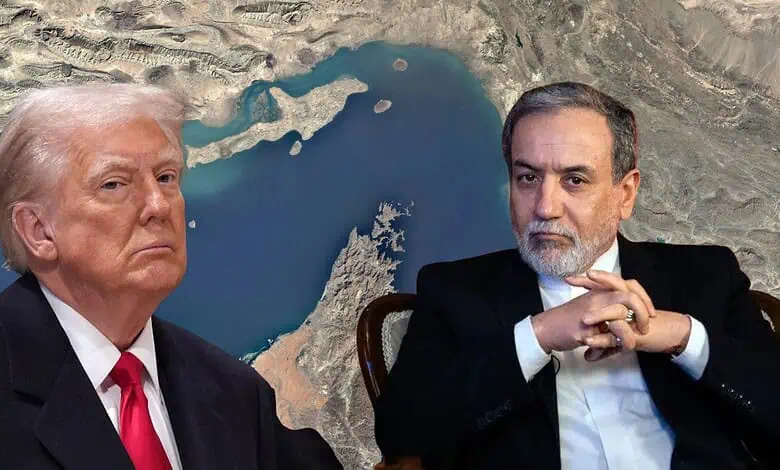
US–Iran tensions entered a new, uneasy phase after US President Donald Trump described recent talks with Iran as “very good”, even as a senior Iranian official issued a sharp warning to both Washington and Israel over any potential military moves.
The contrasting tones — optimism from the White House and defiance from Tehran — underline how fragile the diplomatic track remains, with both sides trying to manage domestic audiences while testing each other’s limits.
Trump strikes upbeat note on talks
Speaking to reporters, Trump said discussions with Iran had gone “very good”, suggesting that back-channel or indirect contacts are continuing despite months of public hostility. His remarks appeared aimed at projecting confidence that diplomacy is still possible, even as regional tensions stay high.
The US president did not provide detailed specifics of what was discussed, but hinted that Washington is open to what he called a “fair deal” — language that signals room for negotiation without appearing to soften the American position too much.
Tehran issues pointed warning
On the Iranian side, senior diplomat and negotiator Abbas Araghchi struck a far more hard-edged tone, warning that Iran would respond firmly to any attack or provocation from the US or Israel. His statement was as much a message to regional rivals as it was to Washington, signalling that Tehran will not accept pressure without consequence.
Araghchi also indicated that Iran’s patience has limits, stressing that any agreement must respect Iran’s red lines and security interests. The warning suggests that while talks may be ongoing, Iran is preparing for both diplomatic and military contingencies.
Diplomacy under pressure
Taken together, the comments expose the push-and-pull dynamic around the current talks. Trump’s upbeat framing helps him claim progress, but Iran’s public warnings show it is not prepared to be seen as backing down under US or Israeli pressure.
This dual messaging is common in high-stakes negotiations: leaders talk of “good” discussions to keep doors open, while officials issue tough statements to reassure domestic audiences that no side is conceding too much.
Regional stakes remain high
The wider Middle East is watching closely because any misstep could escalate quickly, affecting everything from oil routes and regional alliances to security calculations for neighbouring countries. Israel, which views Iran as a primary threat, remains a critical player in the background of these conversations.
For now, the world is left with a familiar picture: hopeful language about talks, and hard warnings about war, coexisting uneasily. Whether the “very good” discussions Trump referred to lead to a real de-escalation — or simply buy time before the next crisis — remains the question everyone is watching.