


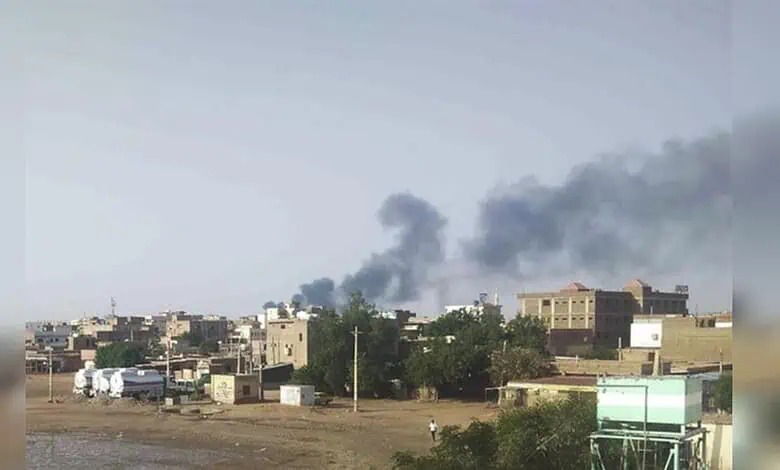
A deadly drone strike in central Sudan has killed at least 16 people and wounded dozens more, sending fresh horror through the African nation’s more than three-year civil war while coinciding with intensified international investigations into alleged United Arab Emirates support for the RSF paramilitary faction.
The attack, carried out overnight Wednesday by Sudanese paramilitary forces, represents another brutal escalation in the use of unmanned aircraft that has become increasingly common in Africa’s deadliest conflict. Health officials confirmed the deaths Thursday as the war approaches its 1,000th day.
The Fresh Bloodbath: 16 Dead in Central Sudan
The drone strike targeted civilians in Sudan’s central region, according to health officials who struggled to reach the attack site amid ongoing fighting. Dozens more were wounded in the assault, adding to the mounting toll of civilian casualties that has plagued the conflict since April 2023.
The attack comes just months after similar RSF drone strikes killed 24 displaced people fleeing fighting in central Sudan in February 2026, including eight children. That Feb 7 attack on a vehicle transporting displaced families drew international condemnation from medical professionals and human rights groups.
Another devastating drone strike in October 2025 killed 57 people, including 17 children, in a drone attack on the besieged Sudan city of El-Fasher, which has been surrounded by RSF forces for 17 months as residents face hunger and starvation.
Why This Drone Strike Matters Now
The latest attack occurs at a critical moment when international pressure is mounting on the UAE over alleged arms and financial support to the Rapid Support Forces. The timing has raised questions about whether foreign-backed military capabilities are enabling the RSF’s continued escalation of violence against civilians.
The use of drone technology in Sudan’s conflict has transformed the war’s brutality, allowing paramilitary forces to strike civilian areas with increasing precision while minimizing risk to their own fighters. UN officials have warned that civilians face “extreme risk” as violence escalates across the Kordofans regions.
The UAE-RSF Investigation: What We Know
The United Arab Emirates faces growing scrutiny over alleged arms supplies and financial networks tied to Sudan’s RSF, led by commander Mohamed Hamdan Dagalo, known as Hemedti. Multiple intelligence briefings and international investigations have linked the UAE to these alleged support channels.
Key Allegations:
Chinese-Made Drones and Weapons: A Wall Street Journal report citing US intelligence sources said the UAE has allegedly channelled Chinese-made drones, artillery, mortars, armoured vehicles, and small arms to the RSF through regional intermediaries.
UK-Exported Components: A Guardian report on October 28, 2025, said UK-manufactured vehicle engines and targeting systems, originally exported to the UAE, were later found in RSF-held areas of Sudan, suggesting possible re-export through Emirati channels.
Dubai-Registered Gold Trading Companies: An investigation by The Sentry, a Washington-based research group, alleged that Hemedti operates Dubai-registered companies that trade conflict gold from Sudan, converting proceeds into hard currency to fund RSF operations.
UN Panel Findings: A United Nations panel of experts described these allegations as “credible,” though there has been no evidence that the UAE government directly supplied weapons to the RSF.
The UAE’s Denial and International Response
The UAE Ministry of Foreign Affairs has categorically denied any role in supplying weapons or financial support to the RSF, arguing that investigations have found no substantiated evidence of direct government involvement.
However, a UN panel of experts charged with monitoring sanctions in Sudan is still investigating how mortar rounds exported from Bulgaria to the UAE ended up in a supply convoy for RSF militia fighters, according to correspondence seen by Reuters in April 2025.
The Sudan Armed Forces has said it has recovered ammunition, vehicles, and weapons systems of UAE-origin in the hands of RSF fighters, adding to the mounting evidence that complicates the UAE’s position.
Sudan’s Partitioned Nightmare
Rival militaries have been battling for control of Sudan since April 2023, with the RSF militia gaining ground in the west and south while Sudan’s military controls most of the east including the capital, effectively partitioning the country.
The conflict has displaced millions of civilians, with fighting especially intense across the Kordofans regions where the latest drone strike occurred. UN spokesperson Stéphane Dujarric warned that the continued violence drives displacement and puts civilians at extreme risk.
As the war approaches its 1,000th day, the latest drone strike demonstrates how the conflict’s brutality continues to escalate rather than diminish, with new technologies enabling ever more devastating attacks on civilian populations.
What Happens Next: International Pressure Mounts
The drone strike killing 16 people comes as Western nations face increasing questions about why they have remained silent over mounting evidence of UAE support for the RSF. A DW report from November 24, 2025, asked directly: “Why has the UAE escaped scrutiny over its role in Sudan?”
The allegations could complicate the UAE’s relationships with Western partners, particularly as evidence continues to mount that Emirati channels may be enabling the RSF’s military capabilities. International pressure for accountability is expected to increase as the humanitarian crisis deepens.