

Iran has launched a blistering condemnation of the United States military strike on an Indian-crewed oil tanker near Oman that killed three Indian sailors, calling the attack “armed robbery and state piracy” in one of the most scorching diplomatic rebukes between the two nations in recent years.
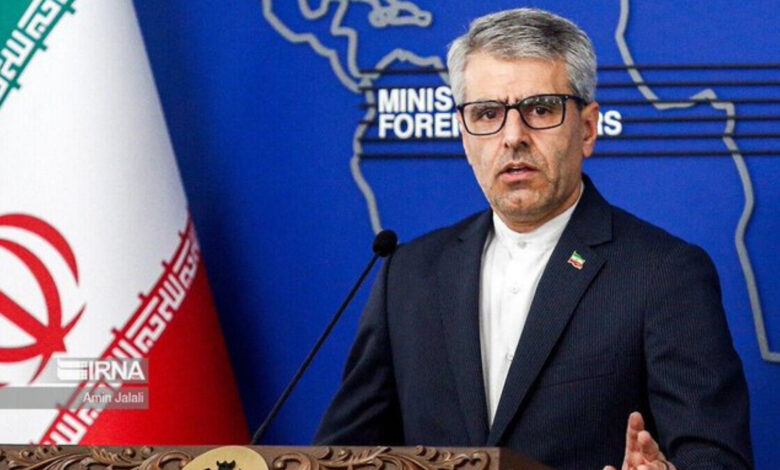
Iran’s Foreign Ministry spokesperson Esmaeil Baqaei posted the explosive statement on X Thursday night, extending condolences to the families of the victims and to the Indian people and government, while demanding the international community hold Washington accountable for what Tehran described as “lawless conduct.”
The Deadly Strike That Sparked the Outrage
The U.S. military attacked the Palau-flagged tanker MT Settebello on Wednesday in the Gulf of Oman, accusing the vessel of not complying with directions as part of Washington’s efforts to blockade Iran-linked shipping through the Strait of Hormuz.
The tanker carried a crew of 24 Indian nationals, with 21 successfully rescued after the strike. Indian Shipping Minister Sarbananda Sonowal confirmed the three sailors had died, stating: “Sadly, three Indian seafarers initially reported missing are now confirmed dead after bodies have been located and identified.”
The deaths mark the first reported fatalities since the U.S. blockade began on April 13, operations that have seen Washington disable eight ships and turn back more than 100 others.
Iran’s Explosive “State Piracy” Language
In his X post, Baqaei delivered the condemnation that has now dominated international news:
“The brutal U.S. attacks on Indian commercial vessels which have killed at least three Indian nationals, stand as clear evidence of America’s ongoing policy of armed robbery and State piracy.”
The Iranian spokesman went further, demanding global action:
“The international community must hold the United States accountable for its lawless conduct, which continues to threaten global peace and security while endangering the freedom of navigation.”
The use of “state piracy” language represents a dramatic escalation in diplomatic rhetoric, with Iran framing the U.S. military operation not as legitimate enforcement but as criminal warfare against commercial shipping.
The US Position: Enforcing the Hormuz Blockade
The U.S. military strike came as part of Washington’s broader effort to enforce a blockade on Iranian ports through the Strait of Hormuz, one of the world’s most critical oil shipping routes. The tanker MT Settebello was accused of breaching this blockade and potentially transporting Iranian oil.
The operation represents a significant escalation in U.S. maritime enforcement, with the military now taking direct action against vessels suspected of violating the blockade. Washington has positioned the operation as necessary to prevent Iranian oil from reaching global markets and to maintain regional security.
India’s Response: Condemnation and Call for De-escalation
India has condemned the deadly strike while calling for de-escalation in the region. The Indian government expressed deep concern over the loss of Indian lives and urged all parties to exercise restraint to prevent further violence in the Gulf of Oman.
The tragedy has placed India in a difficult diplomatic position, as the country must balance its relationship with Washington against the need to protect its citizens working in dangerous maritime zones and maintain stability in energy supplies from the region.
Why This Matters: Global Shipping at Risk
The incident has raised alarming questions about the safety of commercial shipping in international waters. The MT Settebello attack demonstrates that vessels carrying civilian crews are now at risk of military strikes in disputed waters, potentially threatening the freedom of navigation that has underpinned global commerce for decades.
The Strait of Hormuz handles approximately 20% of global oil consumption, making any disruption in the region potentially catastrophic for worldwide energy markets. The U.S. blockade and enforcement operations have already turned back more than 100 vessels, raising concerns about shipping delays and increased costs.
The Broader Context: US-Iran Tensions Escalating
This strike represents a significant escalation in U.S.-Iran tensions that have been building for months. The April 13 blockade began as Washington sought to prevent Iranian oil from reaching international markets, but the operation has now resulted in the deaths of civilian sailors from a third country.
The “state piracy” language from Tehran suggests Iran is preparing to take the issue to international forums, potentially seeking action at the United Nations or International Maritime Organization. The diplomatic fallout could further strain U.S. relations with other nations watching the blockade closely.
What Happens Next: International Pressure Mounts
The international community now faces pressure to respond to Iran’s condemnation and the deaths of three Indian sailors. Maritime nations with commercial shipping interests in the region are likely to call for transparency about the U.S. operation and assurances that civilian crews will be protected.
India will likely continue calling for de-escalation while seeking greater protection for its citizens working in dangerous maritime zones. The tragedy could also prompt investigations into whether proper procedures were followed before the military strike was authorized.
What do you think? Should the U.S. blockade of Iranian shipping be continued despite the risk to civilian sailors? Is Iran’s “state piracy” language justified or an overreaction? Share your views in the comments.
🔥 Share this article — every global citizen needs to know about this deadly strike that’s escalating US-Iran tensions and threatening international shipping.
Follow us for updates as India responds to the tragedy, Iran takes the issue to international forums, and the US blockade operations continue in the Gulf of Oman.