


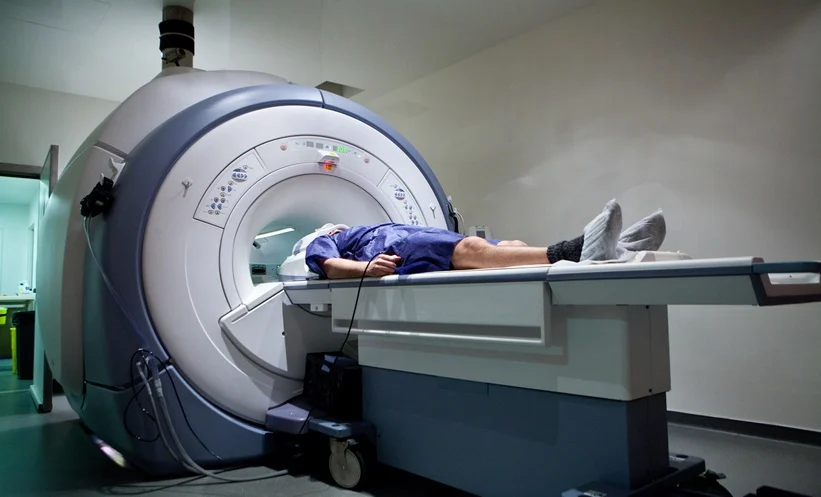
A new report is raising an important question for men being tested for prostate cancer: does a larger prostate make cancer harder to detect? According to the findings, fusion biopsy may be less effective in bigger prostates, which could have real implications for diagnosis and follow-up care.
That matters because fusion biopsy is widely used to improve the accuracy of prostate cancer detection. If prostate size affects how well the test works, doctors may need to think more carefully about which patients need additional scrutiny.
Why this finding matters
Fusion biopsy combines MRI imaging with ultrasound guidance to target suspicious areas more precisely than a standard biopsy. It has become an important tool in modern prostate cancer care because it can help doctors find cancers that might otherwise be missed.
But this new finding suggests a possible limitation: when the prostate is larger, the chance of missing cancer may rise. That could mean some patients need closer monitoring or different diagnostic strategies, especially if symptoms or other test results remain concerning.
What this means for patients
For patients, the message is not to panic, but to pay attention. A biopsy result is only one part of the picture, and prostate size may now be another factor doctors consider when assessing risk.
Men undergoing evaluation for prostate cancer should know that no test is perfect. If a biopsy is negative but suspicion remains high, doctors may decide to repeat imaging, use a different biopsy approach or continue monitoring over time.
The bigger picture in prostate care
This kind of research is important because prostate cancer is often difficult to detect early. Better technology has improved diagnosis, but studies like this remind us that anatomy still matters.
In practical terms, that means larger prostates may pose a challenge not because the disease is invisible, but because it can be easier to miss during targeted sampling. The result is a reminder that medical precision still has limits, even with advanced tools.
Why readers should care
Prostate cancer is one of the most common cancers in men, and anything that affects detection is worth noticing. Studies like this help refine how doctors test, interpret and follow up on results.
For health readers, the takeaway is simple: advanced tests are powerful, but they are not one-size-fits-all. A patient’s prostate size may influence how carefully a negative biopsy is interpreted and how the next step is planned.