


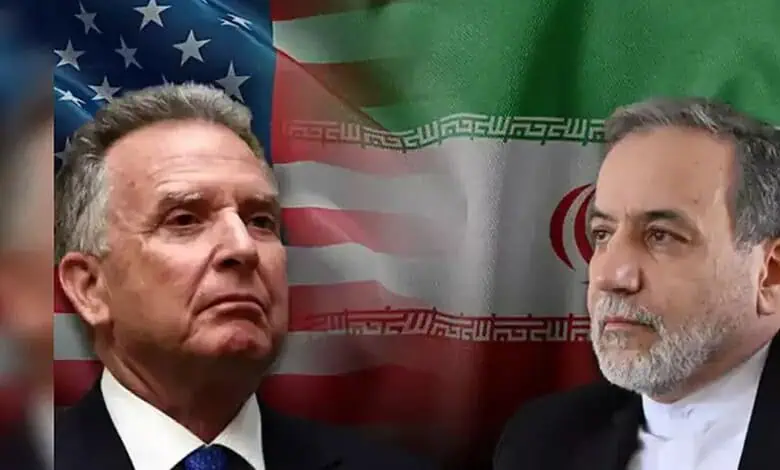
High-stakes talks involving Iran have ended with no major breakthrough, but technical-level negotiations are set to continue as diplomacy tries to survive fresh pressure from Donald Trump’s threats. The latest round has once again shown how fragile the process is, with progress, protest and hardline warnings all colliding at the same time.
What makes this moment so tense is the split between the negotiating table and the political noise around it. While talks in Switzerland remained active, Iranian media reported a walkout or suspension after Trump warned of more strikes, creating a dramatic sense that the diplomacy could unravel at any moment.
A Fragile Diplomatic Opening
The talks were described as the start of a technical phase, meaning lower-level teams will now try to work through the details that political leaders could not settle in one sitting. That matters because technical talks are often where the real substance of an agreement is shaped, even if the public only sees the headline drama.
Despite that, the atmosphere around the talks has been anything but calm. Trump’s latest warnings, including threats of fresh military action, appear to have hardened Iran’s posture and made the negotiations even more vulnerable.
Why The Threats Matter
Diplomacy can survive disagreement, but it becomes much harder when one side feels publicly cornered. Iranian outlets said the delegation pulled back in protest after the threats, underlining how quickly a negotiating room can turn into a political battlefield.
That is the central problem here: talks need trust, and trust is the first thing that disappears when threats dominate the conversation. Even if technical negotiations continue, the shadow of military escalation makes every next step feel uncertain.
The Technical Track Begins
Still, the fact that technical talks are continuing matters. It means both sides have not fully abandoned the process, and that leaves a narrow but real path for further discussion over security, nuclear issues and other disputed points.
These lower-level talks may not produce dramatic headlines immediately, but they are often the only route to a workable deal. In that sense, the diplomacy is not dead — it is merely moving into a more difficult and less visible phase.
What Comes Next
The next stage will depend on whether both sides can keep the talks insulated from the public threats and counter-threats surrounding them. If they can, the technical channel may still produce a framework that avoids a wider crisis.
For now, though, the story is one of uneasy continuation rather than real resolution. The talks have not collapsed completely, but they are walking a very thin line.