


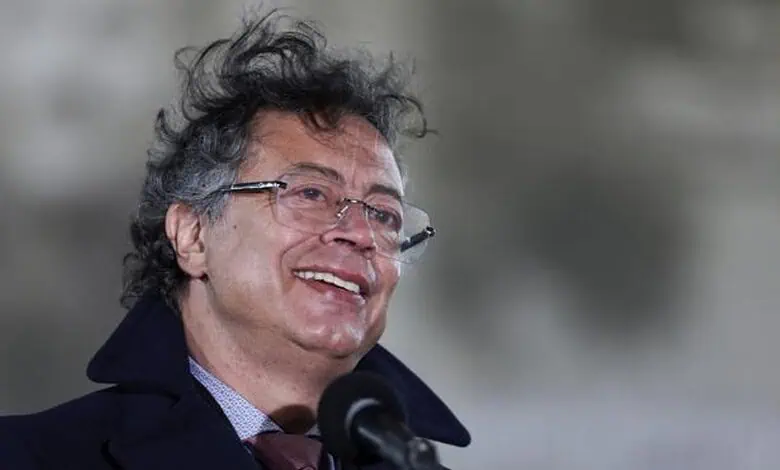
Colombian President Gustavo Petro has ignited a political firestorm by claiming that Israel interfered in the country’s presidential vote. The allegation has turned an already tense election into an international controversy, with Petro refusing to back away from a claim that is drawing sharp attention far beyond Colombia.
What makes the moment so explosive is not just the accusation itself, but the timing. Petro raised the claim after the vote count and after reports of an extremely close, fiercely disputed contest, instantly turning a domestic political fight into a global headline.
A Bold Accusation
Petro has suggested that the election software and vote-counting process may have been compromised, and he pointed specifically to Israel as the outside force he believes was capable of doing it. That is an extraordinary charge, and one that has already triggered pushback from observers and commentators.
The claim is particularly striking because it places a foreign state at the center of an electoral dispute in Latin America’s fourth-largest economy. In political terms, that is the kind of allegation that can reshape debate overnight, even before evidence is fully tested.
Why The Claim Matters
Election interference accusations are never small, but this one stands out because it crosses borders, politics and diplomacy at once. Petro is not only questioning the integrity of the vote; he is also implying that a foreign government played a role in the machinery behind it.
That makes the story bigger than a single disputed result. It becomes a test of trust in Colombia’s democratic institutions, a flashpoint in Petro’s political legacy and a potentially awkward moment in international relations.
Pushback And Doubt
Not everyone is buying Petro’s version of events. The European Union’s election observers said the vote appeared transparent and orderly, rejecting fraud claims and saying they found no mismatch in the materials they checked.
That contradiction is what gives the story its tension. On one side is a president insisting that something went wrong at the system level; on the other is an international monitoring mission saying the process held up under scrutiny.
The Bigger Political Fight
Petro has been under heavy political pressure already, and this accusation adds another layer to an already confrontational period in Colombian politics. With his term nearing its end, the dispute is shaping into a final, high-stakes battle over narrative, legitimacy and power.
For readers, that is what makes the story so compelling: it is part election dispute, part foreign policy row and part political drama. And as long as the accusations keep flying, the controversy is unlikely to fade anytime soon.