


Influencer marketing continues to reshape consumer behavior, with more Consumers than ever making buying decisions based on creator and celebrity recommendations. New data from Consumer Insights reveals the real impact of influencers on product choices, highlighting which platforms and content formats deliver the strongest results.
YouTube and TikTok Dominate Influencer-Driven Sales
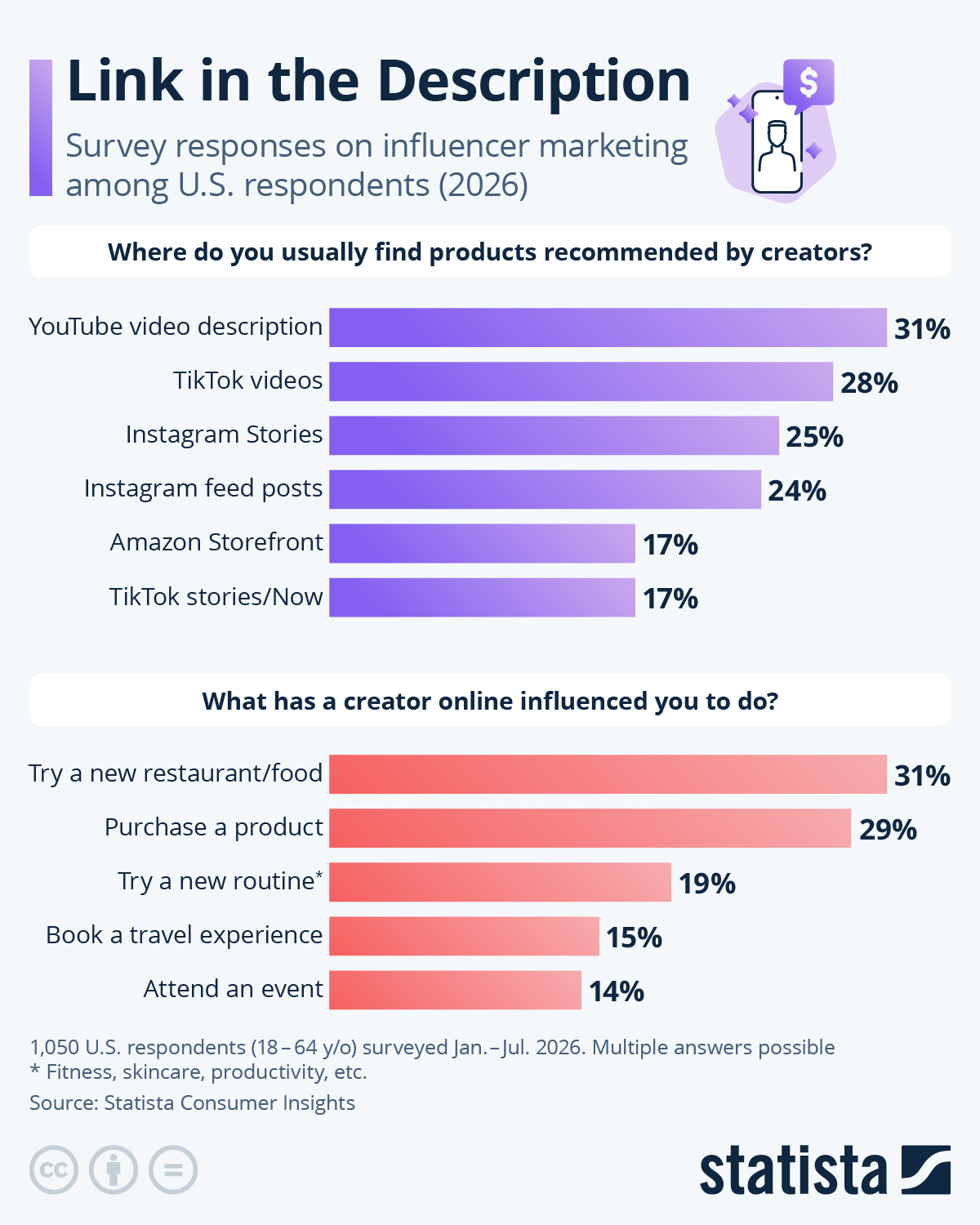
According to the survey of over 1,000 respondents, YouTube remains the top platform for converting influencer recommendations into actual purchases. The most popular method? Clicking on product links placed directly in video descriptions. This tried-and-tested approach allows creators to seamlessly promote sponsored items and their own merchandise. TikTok follows closely behind, benefiting from its highly engaging short-form videos. The platform’s 2023 launch of its in-app shop has further streamlined the path from discovery to purchase, making it easier for influencers to tag and sell products without leaving the app.
Platform-Specific Performance: Stories vs Feed Posts
Different social platforms show distinct strengths in driving sales:
- Instagram: Product promotions through Stories edge out regular feed posts, though the difference remains small. This suggests Stories’ temporary, authentic feel may create stronger urgency for purchases.
- TikTok: Regular videos significantly outperform Stories and TikTok Now features. Only 17% of consumers reported buying via TikTok Stories, compared to 28% who purchased after watching standard TikTok videos.
Another standout channel is the Amazon Storefront, which gives influencers a free, customizable landing page to showcase products. This integration with Amazon’s massive shopping ecosystem makes it a favorite for both creators and data-driven marketers.
What Consumers Are Buying Because of Influencers
Food and lifestyle recommendations lead the way in influencer impact. Americans are most likely to try a new restaurant or food product after seeing creator content — whether through paid partnerships, organic reviews, recipe videos, or direct product placements.Key purchase and behavior statistics from the survey include:
- 29% of respondents purchased a product directly after an influencer recommendation.
- 19% adopted a new routine or habit inspired by a creator.
- 15% booked a travel experience based on influencer content.
- 14% attended an event promoted by a creator or celebrity.
These figures demonstrate that influencer marketing extends far beyond one-time product sales. It influences broader lifestyle choices, building long-term customer relationships and brand affinity.
Why Influencer Marketing Remains a Top Strategy in 2026
The data underscores the effectiveness of influencer marketing in today’s fragmented media landscape. Platforms like YouTube and TikTok excel at turning passive scrolling into active purchasing through direct links, in-app shops, and authentic storytelling.For brands and marketers, the insights are clear:
- Prioritize YouTube for detailed product explanations and link-driven sales.
- Leverage TikTok for viral discovery and fast conversions via shop features.
- Use Instagram Stories for urgency and Amazon Storefronts for seamless e-commerce fulfillment.
- Focus on food, lifestyle, travel, and experiential content to maximize audience engagement and trial.
As social commerce evolves, understanding these platform-specific behaviors will be crucial for maximizing ROI on influencer campaigns.
Source: Statista Consumer Insights survey. Data reflects current influencer marketing trends driving consumer purchases.