


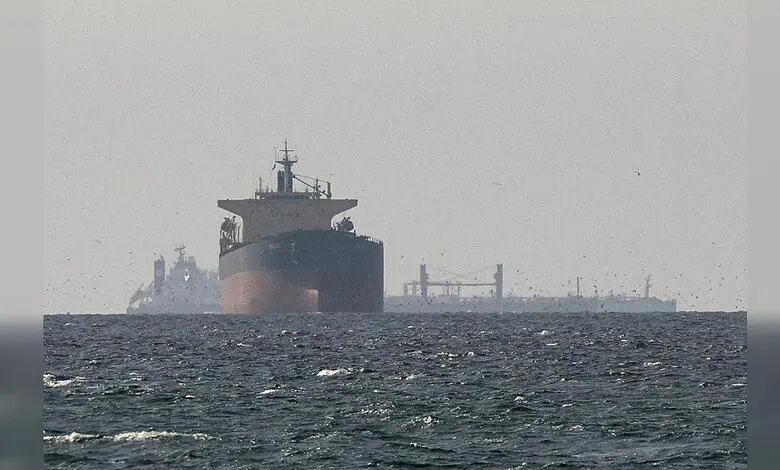
The Indian Embassy in Oman has launched efforts to repatriate the body of an Indian seafarer who died in the Gulf nation, marking another tragic chapter in the long history of Indian workers facing medical emergencies and deaths abroad.
The embassy is coordinating with local authorities in Oman to facilitate the return of the deceased seafarer’s body to India, where the family awaits the heartbreaking news of their loved one’s death.
The Seafarer’s Death: What Happened in Oman
The Indian seafarer passed away in Oman, though specific details about the cause of death and the seafarer’s identity have not been officially disclosed. The Embassy is working closely with Omani authorities to complete the necessary documentation and arrange for the body’s transportation to India.
Seafarers are among the most vulnerable Indian workers abroad, often facing dangerous working conditions, limited access to medical care, and isolation from family support systems. The death of any Indian seafarer overseas highlights the risks these workers face while serving on international vessels.
Embassy’s Role: Coordinating the Repatriation Process
The Indian Embassy in Oman plays a critical role in such situations, acting as the primary liaison between the deceased’s family and local authorities. Embassy officials are responsible for:
- Obtaining death certificates from Omani medical authorities
- Coordinating with funeral homes for body preparation and transportation
- Securing necessary permits for international body shipment
- Assisting the family with travel arrangements if they wish to accompany the body
- Providing financial assistance to eligible families for repatriation costs
Embassy officials have been working tirelessly to ensure the seafarer’s body returns to India as quickly as possible, respecting the family’s wishes and cultural requirements.
The Seafaring Industry: Hidden Risks for Indian Workers
Indian seafarers are among the most numerous foreign workers in the global maritime industry, with thousands serving on ships worldwide. However, the profession carries significant risks that often go unnoticed:
Common Hazards for Seafarers:
- Medical emergencies far from adequate healthcare facilities
- Accidents during ship operations and cargo handling
- Exposure to extreme weather conditions and rough seas
- Limited access to fresh food and proper nutrition
- Long periods away from family, causing mental health issues
- Language barriers when seeking medical help in foreign ports
According to maritime safety organizations, Indian seafarers face higher mortality rates compared to workers from developed nations, primarily due to inadequate safety training and equipment on many vessels.
Family’s Plight: Grief Across Borders
The seafarer’s family, likely living in a coastal Indian state such as Kerala, Goa, Maharashtra, or Tamil Nadu, faces the dual trauma of losing a loved one and the uncertainty of funeral arrangements across international borders.
For many Indian families, the death of a seafarer abroad means:
- Financial stress from repatriation costs that can range from ₹50,000 to ₹2,00,000
- Emotional trauma of not being able to perform traditional funeral rites immediately
- Legal complications with foreign authorities and insurance companies
- Travel difficulties if family members wish to accompany the body to India
The Embassy’s assistance becomes crucial in these situations, helping families navigate the complex process of international body repatriation.
Previous Cases: A Pattern of Seafarer Deaths
The death in Oman is not an isolated incident. Indian seafarers have died in various Gulf countries over the years, including:
- Saudi Arabia: Multiple seafarers died from cardiac issues and accidents
- UAE: Several deaths linked to heat exposure and ship accidents
- Qatar: Seafarers passed away during port operations
- Kuwait: Deaths reported during cargo handling incidents
Each case has prompted the Indian Embassy to step in and facilitate repatriation, highlighting the ongoing challenges Indian workers face in the Gulf region.
Government Support: What Assistance Is Available
The Indian government has established several mechanisms to support families of deceased workers abroad:
Repatriation Assistance Programs:
- Maximizing Welfare for Indian Workers (MAMIW): Provides financial assistance for body repatriation
- Embassy Emergency Fund: Offers immediate support for documentation and transportation
- Insurance Claims: Helps families claim insurance from shipping companies
- Legal Aid: Assists with compensation claims from employers
However, many families still struggle to access these benefits due to bureaucratic delays and lack of awareness about available programs.
The Maritime Industry’s Response: Safety Concerns
The death has raised questions about safety standards in the maritime industry and whether Indian seafarers receive adequate protection while working abroad.
Maritime unions and safety organizations have called for:
- Enhanced safety training for Indian seafarers
- Better medical facilities on ships and in ports
- Improved insurance coverage for workers abroad
- Stronger regulations for shipping companies employing Indian workers
What Happens Next: The Repatriation Timeline
The Embassy expects to complete the repatriation process within the next few days, depending on:
- Availability of flights for body transportation
- Completion of documentation with Omani authorities
- Family’s readiness to receive the body in India
- Coordination with local funeral homes in both countries
Once the body arrives in India, it will be transported to the seafarer’s hometown for final funeral rites, allowing the family to perform traditional ceremonies according to their cultural and religious customs.
The Broader Impact: Workers’ Rights and Safety
This incident underscores the ongoing challenges faced by Indian workers abroad and the need for stronger protections. Advocacy groups are calling for:
- Better pre-departure training for workers going abroad
- Enhanced medical insurance coverage for overseas employment
- Stronger diplomatic support for workers in distress
- Improved coordination between embassies and shipping companies