


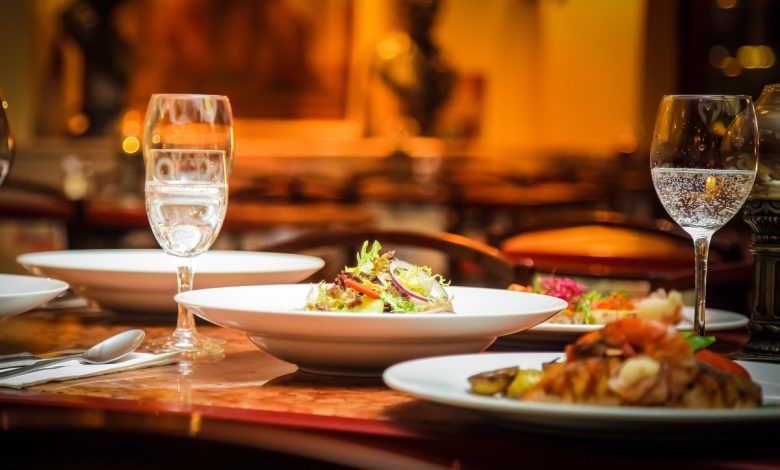
Hyderabad: Many restaurants across the city are now adding an extra LPG or cooking‑gas charge to customers’ bills as an acute cylinder shortage pushes up their fuel costs and delivery delays.
Several mid‑scale and premium eateries in areas such as Jubilee Hills, Banjara Hills, Gachibowli, and Secunderabad have quietly started including a line item of ₹20–₹50 per person, or a flat ₹100–₹200 per table, to cover the rising cost of LPG. Owners say the move is a stop‑gap response to frequent shortages that have forced them to buy cylinders from black‑market dealers at a mark‑up of 30–50 per cent over the official price.
“The official LPG rates are high, but the bigger problem is that even when we book online, cylinders often don’t arrive on time,” said Ramesh Rao, partner in a multi‑cuisine restaurant in Begumpet. “If we run out of gas mid‑service, we can’t cook. So some restaurants are passing the extra cost partly to diners.”
Retail cylinders meant for households are priced under the government’s PAHAL subsidy scheme, but many commercial establishments either buy un‑subsidised cylinders or, in practice, end up using household‑quota cylinders obtained through dubious channels. Amid tighter monitoring and supply tightness, some distributors now prioritise residential users, leaving restaurants scrambling for refills.
An official with a major LPG distributor in Hyderabad confirmed that there has been a “supply mismatch” in recent weeks due to increased industrial demand and logistics bottlenecks. “We are working to normalise the situation, but some areas are seeing temporary shortages,” the official said, requesting anonymity.
Hoteliers and restaurant owners’ associations have warned that sustained LPG shortages could force more eateries to either raise menu prices or cut back on operating hours. “If the government does not streamline commercial LPG supply, many small restaurants will suffer,” said Prakash Reddy, president of a local restaurant owners’ body.
Diners have mixed reactions. Some say they understand the extra charge in a time of crisis, while others feel the burden should not be shifted to customers without clear communication. “If they tell us clearly why there’s an added charge, I don’t mind. But it should not be hidden in the bill,” said Sneha Mehta, a software engineer and frequent diner in Hitec City.
The current situation highlights how supply‑chain stresses in basic utilities like cooking gas can quickly filter into everyday life and consumer prices. For Hyderabad’s bustling food scene, the LPG crunch could reshape how restaurants manage costs—and how much diners ultimately pay for their favourite meals.