


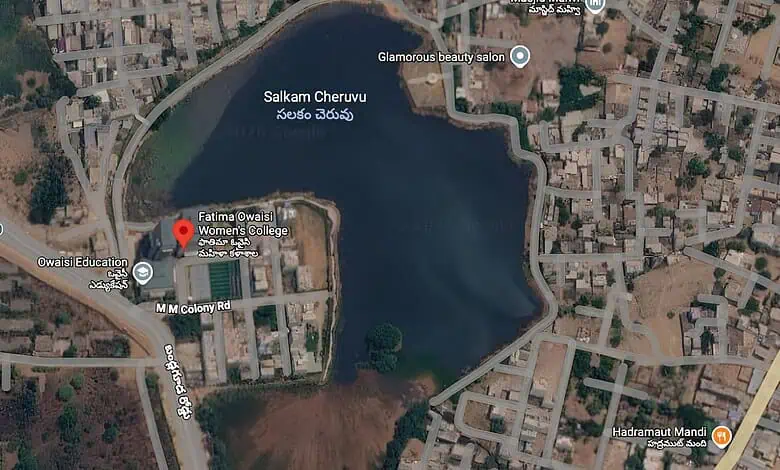
The High Court has reportedly recalled the status quo order in the Fatima Owaisi campus demolition matter, bringing fresh attention to a dispute that has drawn legal and political interest. The development could have significant implications for the future of the campus and the ongoing debate over demolition action.
Court action revives case
By recalling the status quo, the court has effectively reopened the immediate legal uncertainty surrounding the campus. Such orders often signal that the matter requires further scrutiny, especially when demolition, land use or property rights are involved.
The case is likely to remain closely watched because it sits at the intersection of law, education and public accountability. Any move affecting a campus typically raises concerns not only for those directly involved but also for observers tracking how institutions are treated under urban enforcement or regulatory action.
Why it matters
Campus demolition disputes tend to attract attention because they can affect students, staff and administrative continuity. When a court steps in, it often reflects the seriousness of the claims being made and the need to balance enforcement with due process.
The recall of the status quo order may also influence how both sides present their arguments in the next round of proceedings. For the petitioner, it may be seen as an opening to seek relief, while the other side may view it as a chance to justify its action before the court.
Public interest
The issue has gained visibility because it involves a prominent name and a sensitive property dispute. Cases like this often move beyond the legal file and become part of broader public discussion about institutions, land and governance.
As the matter develops, the focus will likely remain on the court’s next steps and whether the demolition-related action is paused, modified or allowed to continue. For now, the recall of the status quo has added a fresh twist to an already closely watched case.