

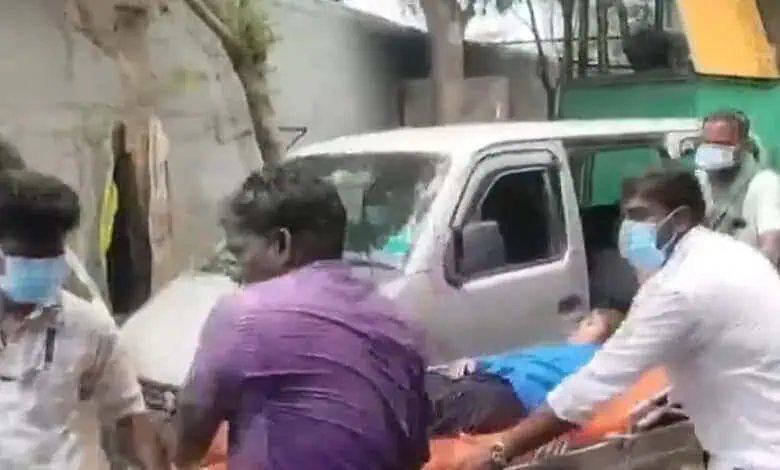
A deadly ammonia leak at a seafood processing factory in Tamil Nadu has turned a routine workday into a scene of panic, tragedy and emergency response. Seven people were reportedly killed, while many others were rushed to hospitals after inhaling the toxic gas, making this one of the most alarming industrial accidents in recent memory.
The incident has triggered shock because it unfolded inside a factory tied to the food export chain, a place where safety failures can have immediate and devastating consequences. What began as a gas leak quickly became a mass casualty event, exposing once again how vulnerable workers can be when industrial safeguards fail.
A Sudden Blast Of Toxic Gas
Ammonia is widely used in cold storage and seafood processing facilities, but when it escapes into the air, it can become lethal within minutes. According to reports from the scene, workers collapsed after breathing in the gas, and emergency teams were forced to rush in as the situation rapidly worsened.
What makes this tragedy especially disturbing is how fast it appears to have unfolded. In industrial settings, a single equipment failure can spread danger across an entire work area before anyone has time to react.
Workers Caught In The Middle
The biggest human cost of this incident is borne by the workers who were inside the factory when the leak happened. Many were reportedly taken to nearby hospitals, with some said to be in critical condition, while families waited anxiously for updates.
That human suffering is what gives the story its force. Beyond the factory walls and official statements are people who went to work expecting an ordinary shift and instead found themselves in the middle of a deadly emergency.
Questions Over Safety
Whenever a leak of this scale occurs, the first question is always the same: could it have been prevented? The answer often lies in maintenance records, emergency protocols and whether safety systems were properly functioning at the time.
This case is likely to renew concerns about industrial oversight, especially in plants that handle hazardous chemicals. If equipment was faulty or safety checks were missed, the consequences may go far beyond one factory and point to a larger enforcement problem.
A Shock For The Industry
The seafood processing sector relies heavily on cold storage systems, many of which use ammonia. That makes safety compliance absolutely critical, because one lapse can endanger everyone on site and halt operations in a matter of moments.
For the industry, the incident is a grim reminder that productivity cannot come before protection. For the public, it is another painful example of how invisible hazards inside workplaces can turn fatal without warning.
What Comes Next
Authorities are expected to investigate the cause of the leak and determine whether negligence played a role. If lapses are found, the case could lead to tougher scrutiny of similar plants and stricter enforcement of industrial safety norms.
For now, the factory stands as the site of a preventable disaster, and the families of the dead and injured are left with grief, anger and unanswered questions.