

Over 13 months after India’s most daring counter-terror strike, the nation learns who paid the ultimate price
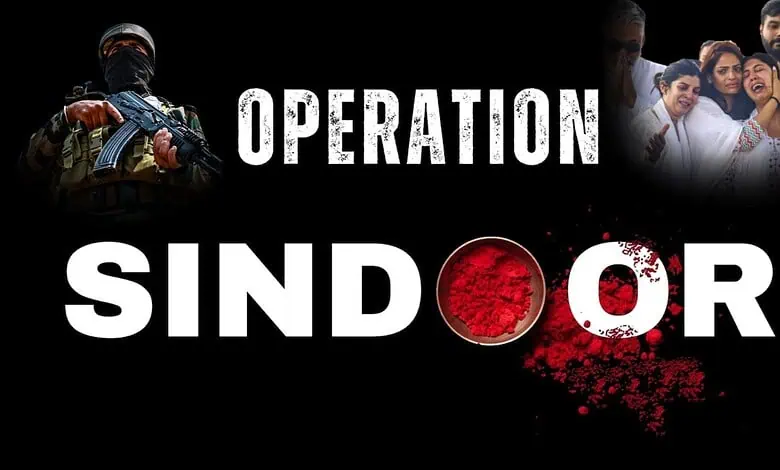
They flew sorties, held positions along the Line of Control, and operated artillery in the dead of night. When Operation Sindoor ended on May 10, 2025, India had struck nine terrorist camps across Pakistan and Pakistan-Occupied Kashmir. The world knew the targets. Nobody knew the names of those who did not return.
Until now.
India has officially made public the names of six martyrs who laid down their lives during Operation Sindoor. The disclosure, quiet and understated in its official presentation, carries enormous emotional weight for a nation that has spent over a year wondering who, exactly, paid the ultimate price for Pahalgam.
The Names
Subedar Major Pawan Kumar, Headquarters 10 Infantry Brigade. Rifleman Sunil Kumar, 4th Battalion, Jammu and Kashmir Light Infantry. Lance Naik Dinesh Kumar, 5 Field Regiment. Agniveer Mood Murali Naik, 851 Light Regiment. Havildar Sunil Kumar Singh, 237 Field Workshop. Sergeant Surendra Kumar, 39 Wing, Indian Air Force.
Six names. Five Army, one Air Force. A career soldier at the peak of his rank. A young Agniveer barely into his military life. A rifleman from one of India’s most decorated regiments. Together, they represent every corner of India’s armed forces.
Honoured, Posthumously
Two of the six are gallantry awardees — Rifleman Sunil Kumar receiving the Vir Chakra, India’s third-highest wartime honour, and Sergeant Surendra Kumar the Vayu Medal.
The moment that will stay with many came earlier this month. On June 8, President Droupadi Murmu presented the Vir Chakra posthumously to Sunil Kumar at the Defence Investiture Ceremony — the medal received not by the soldier, but by his mother Sudesh Kumari and father Yash Paul. Two parents. One medal. No words adequate to the occasion.
Carved in Stone
The National War Memorial’s Tyag Chakra — the circle of sacrifice — holds 16 concentric granite walls, each brick engraved with the name, rank and regiment of every soldier who has made the supreme sacrifice since Independence. Six new bricks will soon join them.
India’s wars produce statistics. Memorials turn statistics back into people. That is precisely why this disclosure matters — and why it has taken this long to arrive.
The nation salutes them. By name, at last.