

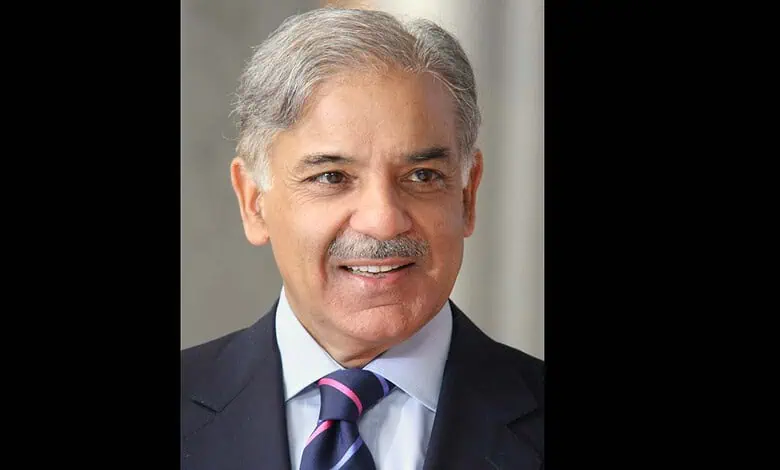
Pakistani Prime Minister Shehbaz Sharif has announced that a landmark peace deal between the United States and Iran is scheduled to be signed in Switzerland, marking a potential end to two months of escalating conflict in the Middle East and reshaping global diplomatic relations.
The announcement comes at a critical juncture as diplomatic efforts intensify to prevent further military escalation between the world’s most powerful nation and a key regional power. The Swiss capital of Bern will serve as the neutral venue for what officials describe as one of the most significant peace negotiations in recent decades.
The Swiss Venue: Why Switzerland Was Chosen
Switzerland has long been the go-to location for neutral ground diplomacy, hosting numerous high-stakes international negotiations. The country’s tradition of neutrality, strong diplomatic infrastructure, and secure communication facilities made it the ideal choice for this sensitive US-Iran peace talks.
The Swiss government has been working closely with both the US and Iranian delegations to ensure smooth logistics, security, and confidentiality throughout the negotiations. Swiss diplomats have been acting as intermediaries, facilitating communication between the two nations that have had strained relations for decades.
The Timeline: What Happens Next
According to Prime Minister Sharif’s announcement, the peace deal signing is expected to take place within the next week, with both US and Iranian representatives expected to arrive in Switzerland by Tuesday. The negotiations will span several days, with officials working to finalize the remaining details of the agreement.
The deal is scheduled to be formally signed by top officials from both nations, with international observers and media present for the historic moment. Following the signing, both countries are expected to begin implementing the terms immediately, including a ceasefire and the reopening of strategic waterways.
What’s in the Deal: Key Components
While full details of the agreement remain under wraps, officials have revealed several key components that will form the core of the peace deal:
The agreement includes a comprehensive ceasefire on all fronts, including Lebanon, marking an end to the two-month conflict that has destabilized the region. Both nations have committed to not initiating any wars against each other or threatening force, establishing a new framework for peaceful coexistence.
A critical component involves the immediate reopening of the Strait of Hormuz, with traffic returning to pre-war conditions within 30 days. This strategic waterway handles approximately 20% of global oil consumption, making its reopening crucial for international energy markets.
The deal also includes provisions for the US to lift sanctions and release frozen Iranian funds, potentially billions of dollars in assets currently held by American banks. Iran has agreed in principle to dispose of its enriched uranium stockpile under a mechanism that both sides will settle.
The Geopolitical Impact: What This Means for the Region
The peace deal represents a seismic shift in Middle East geopolitics. For the United States, it marks a rare diplomatic success in a region where military interventions have often failed to achieve lasting peace. For Iran, it represents a significant step toward ending years of isolation and economic sanctions.
The agreement could also have ripple effects across the region, potentially stabilizing conflicts in Lebanon, Syria, and Yemen. It may also influence relations between Iran and other Middle Eastern nations, including Saudi Arabia and Israel.
Shehbaz Sharif’s Role: Pakistan’s Diplomatic Leadership
Prime Minister Shehbaz Sharif’s announcement highlights Pakistan’s growing role as a diplomatic mediator in international conflicts. Pakistan has maintained close relations with both the US and Iran, positioning itself as a trusted intermediary capable of facilitating dialogue.
Sharif’s government has been working behind the scenes for months to support the peace negotiations, with Pakistani diplomats reportedly helping to coordinate communications between the two nations. The announcement represents a significant diplomatic achievement for Pakistan’s leadership.
US Position: Trump’s Stance on the Deal
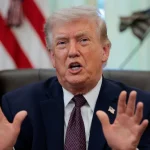
President Donald Trump has been closely monitoring the negotiations, with reports indicating that the US administration has been pushing for a comprehensive agreement that addresses both security concerns and economic interests.
Trump reportedly told Israel’s Kan News that certain terms were initially “unacceptable,” but subsequent diplomatic efforts led to compromises that both sides could accept. The US administration has been working to balance support for Israel with the need to prevent further regional escalation.
Iran’s Response: Teharan’s Acceptance
Iran has been reviewing the US proposal, though key demands remained unresolved for weeks. The announcement that a deal will be signed in Switzerland suggests that Iran has accepted the core terms, including the reopening of the Strait of Hormuz and the disposal of its uranium stockpile.
Iranian officials have indicated that the deal represents a significant step toward ending the conflict and恢复正常 economic relations with the West. The agreement includes Iran reaffirming that it will never develop nuclear weapons, a key US demand.
Israel’s Concerns: Regional Security Implications
Israel has been closely watching the negotiations, with concerns about how the deal might affect its security in the region. The country has expressed worries about Iran’s continued influence in Lebanon and other neighboring states.
However, the ceasefire provisions that include Lebanon suggest that Israel’s security concerns may be addressed through the agreement’s terms. The deal’s commitment to non-aggression between the US and Iran could also provide a framework for broader regional stability.
International Response: Global Leaders React
The announcement has drawn reactions from world leaders across the globe. China’s President Xi Jinping has praised the potential for peace, while Russia’s President Vladimir Putin has emphasized the importance of regional stability. Turkey’s President Recep Erdogan has called it a “historic breakthrough,” and Pakistan’s Prime Minister Sharif has highlighted the diplomatic achievement.
Western nations, including the UK, France, and Germany, have expressed cautious optimism about the deal, noting that its success will depend on implementation and enforcement. The European Union has been working closely with the US to ensure the agreement meets international standards.
Economic Implications: Oil Markets and Global Trade
The reopening of the Strait of Hormuz is expected to have immediate economic benefits, with oil prices potentially stabilizing as the strategic waterway returns to normal operations. Global energy markets have been volatile due to the conflict, with prices fluctuating based on geopolitical tensions.
The lifting of US sanctions on Iran could also open new trade opportunities, potentially benefiting global commerce and reducing economic pressures on Iranian citizens. The release of frozen Iranian funds could provide economic relief to a country that has faced significant financial challenges.
What Happens After Signing: Implementation Challenges
While the signing represents a major breakthrough, the real challenge will be implementing the agreement’s terms. Both nations will need to work together to ensure compliance with ceasefire provisions, the reopening of shipping lanes, and the disposal of nuclear materials.
International observers will monitor the implementation process, with the UN and other organizations likely to play a role in verifying compliance. The agreement includes mechanisms for addressing violations and resolving disputes that may arise during implementation.
The Path Forward: Building on the Peace Deal
The US-Iran peace deal represents not just an end to conflict but a potential foundation for long-term diplomatic relations. Both nations will need to invest in building trust, maintaining communication channels, and addressing underlying tensions that have fueled decades of hostility.
The agreement could also serve as a model for resolving other international conflicts, demonstrating that even deep-seated adversaries can find peaceful solutions through diplomacy and negotiation.