


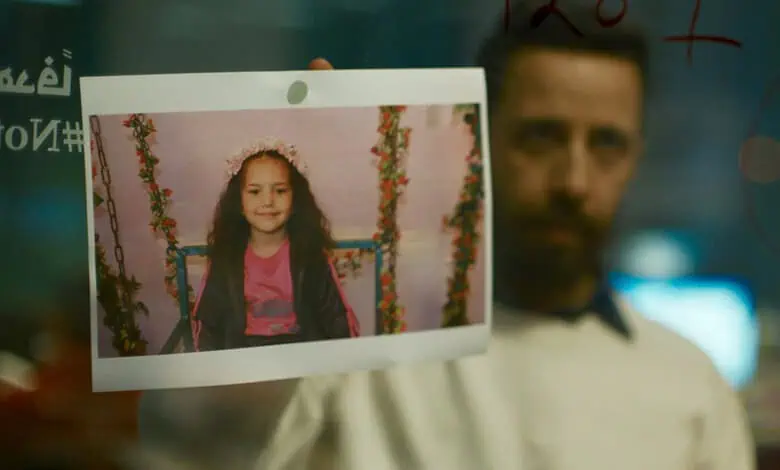
The Voice of Hind Rajab is not an easy watch, and that is exactly why it matters. It turns a single child’s final plea into a devastating reminder of the human cost of war, forcing viewers to sit with grief, fear and the unbearable weight of what was lost.
A Film That Refuses Distance
What gives the film its power is its restraint. Rather than relying on spectacle, it uses real audio and a tightly controlled narrative to bring Hind Rajab’s tragedy into sharp focus, making the absence on screen feel even more painful.
That approach transforms the film from a simple retelling into something far more urgent. It does not ask the audience to admire the filmmaking first; it asks them to confront the reality of a child trapped inside a larger catastrophe.
Why It Hits So Hard
Critics have described the film as deeply moving and emotionally brutal, with many noting that its impact comes from its honesty rather than any dramatic embellishment. The use of Hind’s real voice gives the story an immediacy that lingers long after the screen goes dark.
That is also what makes the film difficult to shake off. It is one of those rare works that leaves viewers not just saddened, but unsettled by the fact that the suffering it depicts is not distant history but a tragedy still echoing in the present.
More Than A Review
The film’s reception has extended beyond cinema circles, drawing wide emotional response and strong critical attention. Its presence at major festivals and the intensity of the audience reaction show that Hind Rajab’s story has become much larger than one film — it has become a symbol of memory and resistance against forgetting.
That is why The Voice of Hind Rajab matters so much. It gives a voice to a child, but it also gives audiences a painful reminder that some stories are not meant to entertain — they are meant to be witnessed.