


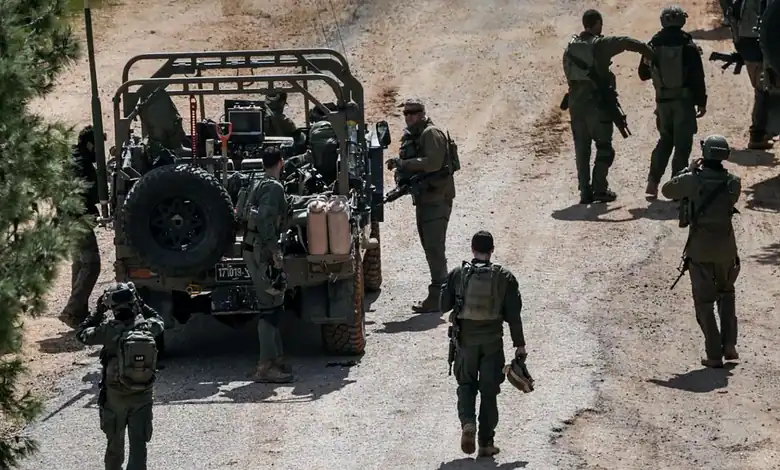
Israel has refused to pull back its troops from southern Lebanon, squarely rejecting U.S. and regional pressure to leave the occupied buffer zone. Prime Minister Benjamin Netanyahu declared the IDF will stay “as long as security needs require it,” setting up a tense showdown with Washington, Iran, and Lebanon over the future of the border ceasefire.
What’s happening now
Israel’s Defense Minister Israel Katz confirmed Sunday that the army will not withdraw from occupied territory in southern Lebanon.
An Israeli official told The Jerusalem Post on Saturday that the IDF will not make concessions or retreat—contrary to Lebanese reports claiming otherwise.
Netanyahu said last week the IDF would not retreat from its position in southern Lebanon and vowed to “restore security to the north” by maintaining a security strip there.
Why Israel won’t pull back
Israel says it must keep troops in place because Hezbollah—the Iran-backed militant group—remains active near the border.
The government insists withdrawal is contingent on the Lebanese army deploying effectively in the south and Hezbollah moving beyond the Litani River.
No timetable or clear conditions for ending Israel’s presence have been presented by the IDF.
The U.S.–Iran angle
Israel rejected a U.S. request to withdraw troops, citing Hezbollah’s continued presence—a dispute that threatens to complicate Washington and Tehran’s efforts to secure a broader peace accord.
Donald Trump and Netanyahu had a tense phone call about Lebanon, with Trump reportedly using expletives during the exchange.
Netanyahu has pledged to maintain Israel’s presence in Lebanese and Syrian territories even in light of the U.S.–Iran ceasefire agreement.
What it means for the region
- Ceasefire at risk: Israel’s refusal to meet the January 26 deadline put the November 2024 ceasefire with Hezbollah in jeopardy.
- Territory on the ground: Israel currently controls approximately 570 square kilometers (220 square miles) of land in Lebanon.
- Strategic positions: Israeli forces remain in five strategic locations inside Lebanese territory along the Blue Line.
- Security zone without time limits: Katz stated the army will stay in security zones of Lebanon, Syria, and Gaza without imposing time constraints.
Voices from the ground
“There are no concessions and no withdrawals. The IDF is deployed along the Blue Line in positions deemed optimal for the protection of our forces. This is the directive issued by the military leadership, with the backing of the political echelon,” an Israeli official said.
Lebanese media and officials have expressed frustration, arguing Israel’s occupation undermines the ceasefire and regional stability.
What’s next
- Diplomatic pressure will mount: The U.S. and Iran are likely to push harder for withdrawal as they seek broader peace.
- Local clashes may rise: Hezbollah and the IDF could increase skirmishes along the border if the dispute continues.
- Ceasefire negotiations stall: Without a clear withdrawal plan, talks on demarcating the land border may remain frozen.
The takeaway
This isn’t just a border dispute—it’s a test of whether Israel’s security doctrine can coexist with international pressure for peace. Netanyahu’s refusal to withdraw signals that Israel will hold territory as long as it sees a threat, even if that choice undermines ceasefire deals and regional stability.