

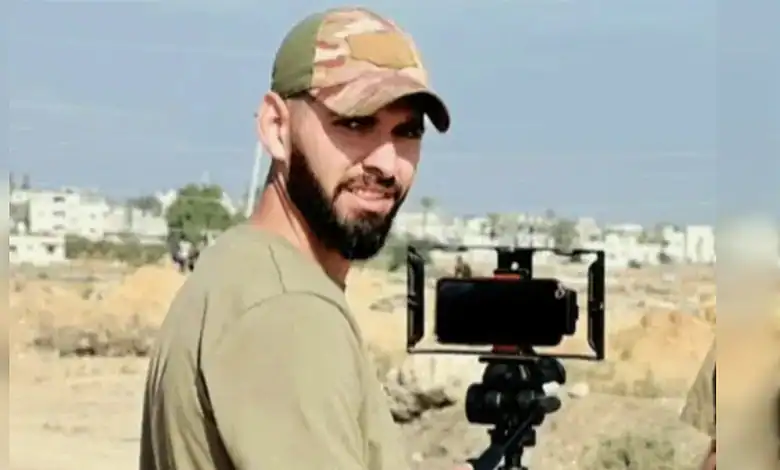
Israeli strikes in Gaza have killed nine people, including an Al Jazeera cameraman, in a fresh escalation that has deepened the human toll of the war and intensified concerns over the safety of journalists on the ground. The deaths have once again turned attention to the brutal reality in Gaza, where civilians and media workers remain caught in the middle of relentless violence.
The killing of a cameraman gives the story an especially painful edge. It is not only another loss of life, but also a reminder that those trying to document the conflict are themselves facing deadly danger.
A War That Keeps Taking More Lives
Every new strike adds to a toll that has already shocked the world. In Gaza, the line between military targets and civilian suffering has become increasingly blurred, leaving families, reporters and rescue workers to navigate a landscape defined by fear and destruction.
The latest attack, which killed nine people, underscores how quickly the situation can worsen. For residents, there is no guarantee of safety, and for journalists, the risks of reporting from the ground have become extraordinarily high.
The Human Cost Of Reporting
The death of an Al Jazeera cameraman is likely to draw strong attention because journalists are among the few who can show the outside world what is happening inside Gaza. Their work depends on being physically present, and that makes them vulnerable in a conflict where danger can arrive without warning.
This is what makes the loss so significant. When a reporter or cameraman is killed, the world loses not just a life, but a witness — someone who could have carried the story forward through images and evidence.
Gaza’s Daily Reality
For people in Gaza, each strike brings another wave of grief, displacement and uncertainty. Homes can be destroyed in seconds, roads can become impassable, and families are forced to make impossible decisions about where to go and how to survive.
That is why every death feels part of a larger tragedy. The conflict is no longer just about strategy or battlefield developments; it is about the crushing pressure placed on ordinary people trying to endure another day.
What This Means Now
The latest killings are likely to renew calls for restraint, accountability and protection for civilians and media workers. But in the short term, the fear is that the violence will continue to claim more lives before any meaningful pause takes hold.
For readers, the story stands out because it combines immediate tragedy with a larger question: how long can Gaza keep absorbing such losses before the world forces a real change?