


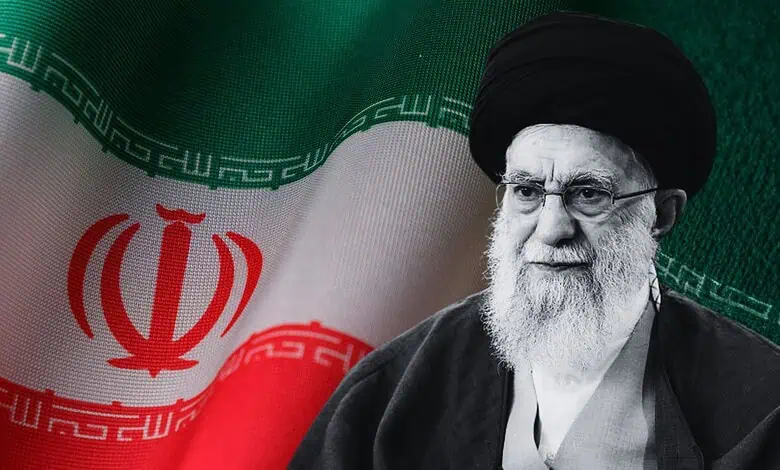
Iran has announced that the late Supreme Leader Ayatollah Seyyed Mohammad Khamenei will be laid to rest on July 9, 2026, following weeks of mourning that have drawn millions of mourners across the Islamic Republic in what officials describe as the largest funeral preparations in the country’s modern history.
The announcement came from Iran’s Supreme Leader Office, which confirmed the burial date after days of intense religious ceremonies, state mourning, and preparations for what is expected to be a multi-day national event marking the end of one of Iran’s most influential spiritual and political leaders.
The 40-Day Mourning Period: From May to July
Ayatollah Khamenei passed away in late May 2026 after a prolonged illness, triggering an immediate period of national mourning across Iran. The July 9 burial date marks exactly 40 days since his death, following the traditional Islamic practice of mourning for 40 days before final burial.
The mourning period has been marked by daily prayers, religious gatherings, and state-sponsored ceremonies that have seen millions of Iranians participate in funeral processions across Tehran, Mashhad, Qom, and other major cities.
Funeral Site: The Holy Shrine of Imam Reza
The late Supreme Leader will be buried at the Holy Shrine of Imam Reza in Mashhad, Iran’s second-largest city and one of the most sacred sites in Shia Islam. The shrine, which houses the tomb of the eighth Shia Imam, has been a traditional burial site for Iran’s most revered religious figures.
Mashhad authorities have announced that the shrine complex will be expanded temporarily to accommodate the expected 10 million mourners who are expected to attend the funeral ceremonies over three days.
Massive Preparations: Infrastructure Upgrades for Historic Funeral
Iranian officials have launched unprecedented preparations for the burial event:
Infrastructure Improvements:
- New parking facilities for 50,000 vehicles around the shrine
- Temporary accommodation for 200,000 mourners in nearby cities
- Expanded prayer halls with capacity for 500,000 people simultaneously
- Enhanced security measures including 15,000 security personnel deployed
Transportation:
- Extra flights added to Mashhad Airport from major Iranian cities
- Special train services operating between Tehran and Mashhad
- Road blocks established in major cities to prevent traffic congestion
- Emergency medical facilities set up at 50 locations around the shrine
State Mourning: What Happens During the Period
The government has declared a national mourning period from June 13 to July 11, 2026, with the following measures:
- All government offices closed during funeral days
- Military ceremonies held across all provinces
- Schools and universities observe mourning period
- Media outlets broadcasting special memorial programs
- Religious gatherings held in mosques nationwide
International Response: World Leaders Send Condolences
The funeral has attracted condolence messages from leaders across the world, including:
- China’s President Xi Jinping calling Khamenei “a great friend of China”
- Russia’s President Vladimir Putin praising Khamenei’s “strategic vision for regional stability”
- Turkey’s President Recep Erdogan describing him as “a leader of the Islamic world”
- Pakistan’s Prime Minister Anwaar-ul-Haq Kakar sending special funeral prayers delegation
However, Western nations have remained largely silent, with the U.S., UK, and France offering no official statements, reflecting the ongoing tensions between Iran and Western powers.
Khamenei’s Legacy: 37 Years of Supreme Leadership
Ayatollah Seyyed Mohammad Khamenei served as Iran’s Supreme Leader from 1989 to 2026, a period spanning 37 years during which he shaped Iran’s political, religious, and social landscape. His tenure included:
- The Iran-Iraq War (1980-1988) and its aftermath
- The rise of nuclear program and subsequent international sanctions
- The Arab Spring and Iran’s regional influence expansion
- The 2019 protests and subsequent crackdown
- The U.S. withdrawal from nuclear deal in 2019
- The 2022-2023 protests and Hassan Rouhani’s presidency
Khamenei was known for his strict adherence to Islamic principles, his opposition to Western influence in Iran, and his support for revolutionary movements across the Middle East.
Succession Question: Who Will Be the Next Supreme Leader?
With Khamenei’s death, the most critical question facing Iran is who will assume the role of Supreme Leader. The Assembly of Experts, Iran’s religious body responsible for selecting and monitoring the Supreme Leader, is expected to convene within days of the burial to begin the selection process.
Potential Candidates Under Consideration:
- Ayatollah Mohammad Ali Alani – Current member of the Assembly of Experts
- Ayatollah Gholam-Hossein Moshtari – senior cleric from Qom
- Ayatollah Hassan Amir Pahlevan – Former president’s religious advisor
- Ayatollah Mahmoud Hashemi Shahroudi – Senior jurist from Tehran
The selection process is expected to take several weeks, with the Assembly of Experts conducting multiple rounds of voting before confirming the new Supreme Leader.
Security Concerns: Preparing for Massive Crowds
Iranian security officials have warned that the funeral could face security challenges, including potential attempts by opposition groups to disrupt the ceremonies. The government has deployed:
- 15,000 security personnel around Mashhad
- Intelligence units monitoring for potential threats
- Border controls tightened to prevent unauthorized entry
- Emergency response teams stationed at key locations
The Final Journey: Tehran to Mashhad
The funeral procession will begin in Tehran on July 8, with Khamenei’s body transported in a specially designed funeral vehicle to Mashhad. The journey is expected to take approximately 12 hours, with the procession making stops at major cities along the route for public viewing.
Hundreds of thousands of mourners are expected to line the roads between Tehran and Mashhad to pay their final respects during the journey.
What Happens After July 9: The Political Transition
Following the burial, Iran will enter a period of political transition as the Assembly of Experts begins selecting the new Supreme Leader. The process is expected to be completed by late August 2026, with the new leader assuming power immediately.
The transition period will be marked by uncertainty as Iran’s political elite navigate the complex process of selecting a successor while maintaining stability during what could be a challenging period for the country.