


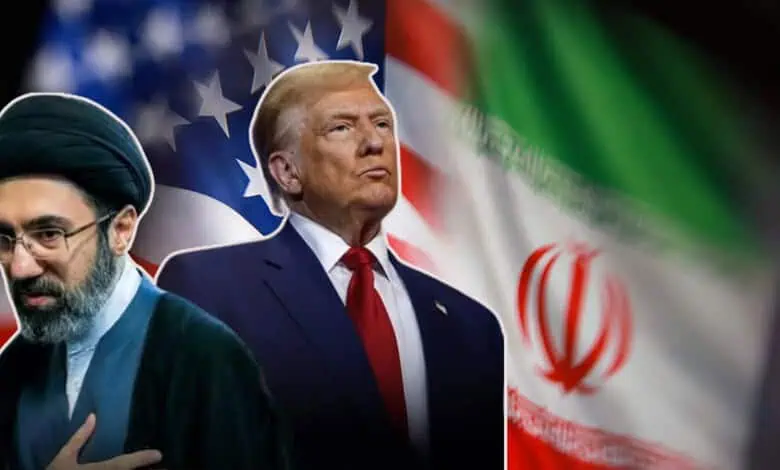
Iran has published its own version of the memorandum signed with the United States, and the differences are already attracting attention. While the broad structure appears similar, the wording changes suggest that both sides are presenting slightly different versions of what the agreement actually means.
That matters because in diplomacy, small changes can carry major weight. From Lebanon to the Strait of Hormuz and from nuclear commitments to energy language, the two texts do not always say the same thing.
Why The Differences Matter
One of the clearest differences is in how the two versions frame key commitments. Iran’s text says the parties will “guarantee” Lebanon’s sovereignty, while the U.S. version says they will “respect” it, a softer formulation with a very different diplomatic tone.
A similar gap appears in the section on shipping. Iran’s version says vessel traffic should return to pre-war levels as determined by Tehran, while the U.S. text says traffic will be progressively restored toward those levels.
Hormuz And Nuclear Terms
The Strait of Hormuz clause is another point of difference. Iran’s version says Tehran will discuss the future administration of the waterway with Oman and consult other Gulf states, while the U.S. version says Iran will engage with Oman and other Gulf littoral states.
There are also changes in the nuclear language. Iran says it will not “produce or acquire” nuclear weapons and refers to its “nuclear needs,” while the U.S. version says Iran will not “procure or develop” nuclear weapons and leaves out the reference to nuclear needs.
More Than Semantics
Even the energy wording differs slightly. Iran’s text mentions crude oil and “petrochemical products and derivatives,” while the U.S. version uses “petroleum products and derivatives.”
These are the kinds of edits that may look small but can have real political meaning. That is why the release of Iran’s version has turned the agreement into a fresh point of debate, with attention now focused on what was actually promised and what each side believes was agreed.
A Deal Still Under Scrutiny
The disagreement over wording reinforces a familiar truth in diplomacy: the public announcement is often only the beginning. Reports over the past days have already shown diverging descriptions of sanctions relief, frozen assets, reconstruction plans and the timeline for future negotiations.
For now, the memorandum remains a live political story rather than a settled one. By releasing its own text, Iran has made clear that it wants the agreement read on its terms as well, not only Washington’s.