


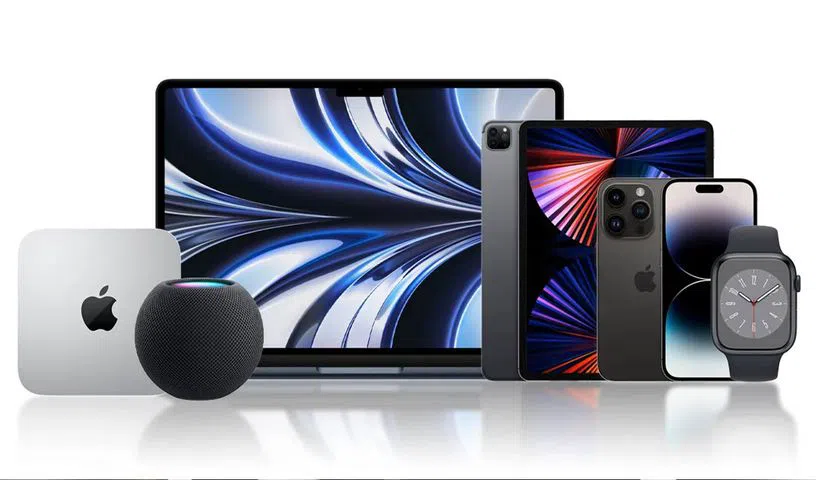
Apple may be preparing a tougher season for buyers, with rising memory and storage chip costs now pushing the company toward product price increases. CEO Tim Cook has acknowledged that the pressure from the global memory crunch is becoming harder to absorb, setting off fresh speculation about pricier iPhones, Macs and other devices.
The timing is especially sensitive because the surge in demand for memory chips is being fueled by the AI boom, which has tightened supply across the industry. As a result, Apple is now being forced to choose between protecting margins and shielding customers from higher prices.
Why Prices May Rise
Reports indicate that memory costs are climbing sharply, and Apple has already warned investors that the impact is likely to continue into upcoming quarters.
Analysts say the company could either absorb the added expense or pass part of it on to buyers, which would make the next wave of Apple products more expensive.
That possibility has turned a routine supply-chain issue into a major consumer story. Apple products have long carried premium pricing, but any fresh hike would still sting in a market where buyers already expect top-dollar devices.
What Cook Signaled
Cook has not publicly named exact products or specific price jumps, but he has made it clear that the company is under pressure.
Reports note that Apple is evaluating options while trying to limit the shock to customers, yet the message is unmistakable: the cost squeeze is real, and the company may not be able to hold prices steady forever.
For consumers, that means the next iPhone launch could come with more than just new features. It could also come with a higher bill at checkout, especially if Apple decides to shift some of the rising memory costs onto buyers.
Bigger Market Impact
This is not just an Apple problem. The broader electronics industry is feeling the same squeeze, and the AI-driven memory shortage is now shaping pricing decisions across multiple sectors.
If Apple moves first, it could influence how other premium brands respond as well.
For now, the story is simple: Apple’s next big product cycle may arrive with a less welcome upgrade — a bigger price tag.