

New York, April 10: A federal appeals court has denied Palestinian activist Mahmoud Khalil’s emergency request to remain in the United States, paving the way for his potential deportation after months of legal battles over his pro-Palestinian campus organising.
The 2nd US Circuit Court of Appeals ruled Wednesday that Khalil failed to prove irreparable harm from removal. The 25-year-old Columbia University graduate student, legally residing on a student visa, faces detention by Immigration and Customs Enforcement (ICE) following the decision.
Khalil rocketed to prominence leading Columbia’s Gaza Solidarity Encampment last spring, demanding the university divest from Israel-linked investments. Federal agents arrested him March 8 at his New Jersey apartment, citing national security concerns tied to his activism.
“This ruling crushes free speech rights for international students,” said Khalil’s attorney, Ramzi Kassem, outside court. “Mahmoud organised peacefully—now he’s punished for Palestinian identity.” The legal team plans Supreme Court appeal.
Government lawyers argued Khalil’s leadership in protests violating campus policy, plus social media posts praising “resistance,” justified visa revocation under post-9/11 security laws. ICE holds him at LaSalle Detention Center in Louisiana.
The case ignited nationwide debate over academic freedom versus security. Over 100 professors, including Nobel laureate Joseph Stiglitz, filed supporting briefs. “Targeting one student chills dissent everywhere,” read their statement.
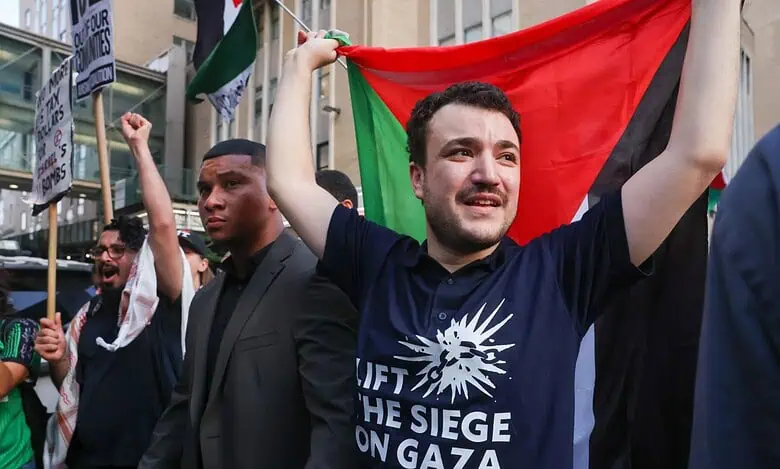
Student groups rallied outside courthouses. “Mahmoud spoke truth—now he’s disappeared,” chanted Columbia Students for Justice in Palestine. Counter-protests demanded deportation of “Hamas supporters.”
Khalil’s wife, a US citizen expecting their first child, attended hearings. “He’s done nothing criminal. This tears our family apart,” she told reporters through tears.
Immigration experts contextualised the crackdown. “Trump administration expanded visa revocations after campus protests—over 300 international students affected since January,” noted professor Hiroshi Motomura of UCLA Law.
Public reaction splits sharply:
| Supporters Say | Critics Argue |
|---|---|
| “Free speech absolute” | “Security threats real” |
| 1.2M petition signatures | “Illegal activity, not speech” |
| Faculty senate resolutions | “Hamas glorification dangerous” |
Democratic lawmakers like Alexandria Ocasio-Cortez condemned it as “political deportation.” Republicans praised “law and order.”
Khalil’s deportation saga tests First Amendment limits amid Israel-Palestine tensions, pitting academic activism against national security claims—with broader chilling effects on international students nationwide.