


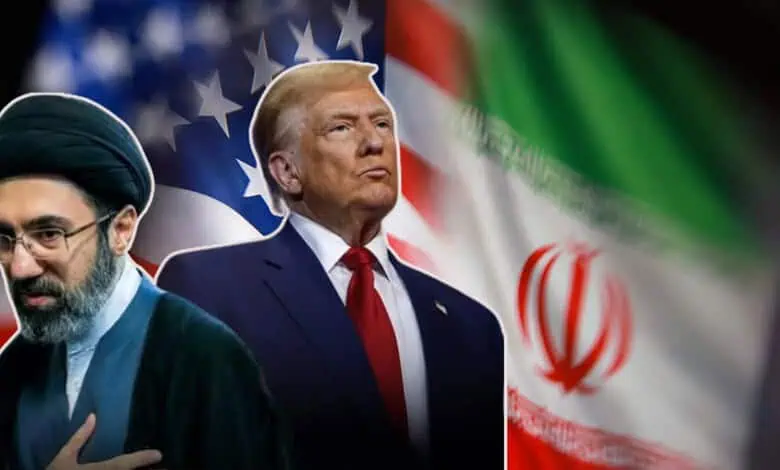
A fresh diplomatic row has erupted after the Trump administration said any deal with Iran could bring a “payday” for farmers, while Tehran sharply denied the claim. The exchange has added another layer of tension to an already sensitive issue, turning a policy discussion into a politically charged war of words.
What makes the episode stand out is the contrast in tone. Washington is trying to frame the deal as an economic win, while Iran is rejecting that narrative outright, suggesting the two sides are not even speaking the same language.
Why The Comment Sparked Attention
The “payday for farmers” remark is striking because it links foreign policy to domestic economics in a very direct way. In political messaging, that kind of phrase is meant to make a global issue feel immediate to ordinary voters, especially those watching costs, exports and market access.
That is also why the comment drew such quick reaction. It turns a complex international negotiation into a simple promise of benefit, which can be powerful politically but also easy to challenge.
Iran’s Firm Denial
Iran’s response was swift and dismissive, rejecting the idea that the deal was being shaped around such claims. By denying it so forcefully, Tehran appears to be pushing back not just on the substance of the statement, but on the broader attempt to control the public narrative.
That matters because diplomatic disputes are often fought as much in language as in policy. A single phrase can become the centre of a larger argument over credibility, intentions and trust.
The Political Angle
For the Trump government, tying the Iran deal to farmers is a clear attempt to sell the policy in practical terms. It suggests the administration wants to show that foreign negotiations can produce visible benefits at home, especially for a sector that is always politically sensitive.
But the challenge is obvious. If the claim is disputed immediately by the other side, the message can shift from confidence to controversy in a matter of hours.
Why This Story Travels Fast
Stories like this gain attention because they blend diplomacy, economics and political theatre. Readers do not need deep foreign policy knowledge to understand the tension: one side says the deal helps, the other says it does not.
That simplicity gives the story reach. It is the kind of headline that feels big, current and easy to debate — three ingredients that often drive strong news engagement.