

Global oil prices jumped sharply today after Iran ruled out direct negotiations with the United States to end ongoing regional hostilities.
Brent crude futures climbed over 3% to above $85 per barrel, while US West Texas Intermediate hit $81. The spike followed a statement from Tehran dismissing US calls for talks, raising fears of prolonged tensions near key oil routes like the Strait of Hormuz.
Iran’s Foreign Minister Abbas Araghchi said no direct dialogue would happen “under pressure or threats.” This comes as the US pushes for de-escalation amid reports of Iranian support for groups attacking shipping in the Red Sea and Gulf areas. The strait, which carries 20% of world oil, remains a flashpoint.
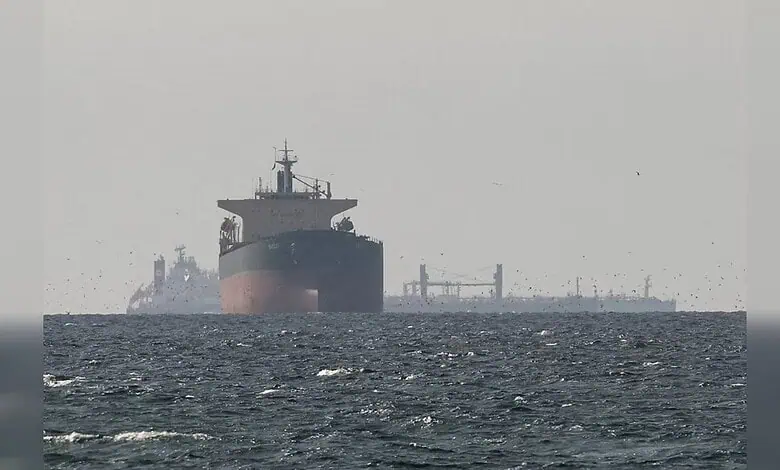
Markets reacted fast. Traders worry that stalled talks could lead to more disruptions, similar to recent Houthi attacks that forced rerouting of tankers. Shipping costs have already risen 25%, adding to inflation pressures worldwide.
India feels the heat directly. Importing 85% of its oil, higher prices could push petrol and diesel rates up by Rs 5-7 per litre in coming weeks. “This uncertainty hits our budgets hard,” said auto-rickshaw driver Sunil Yadav from Hyderabad.
Energy expert Dr. Meera Sharma from the Indian Institute of Petroleum noted, “Iran’s stance signals no quick fix. With US naval patrols up, risks of miscalculation grow.” She predicts prices could test $90 if supply tightens further.
The US had offered indirect talks via Oman, but Iran insists on lifting sanctions first. Tehran’s oil exports have fallen to 1.5 million barrels daily due to restrictions. President Donald Trump reiterated, “Iran must come to the table—no more games.”
India’s government is responding. Officials say strategic reserves cover 10 days of needs, and efforts to buy more from Russia continue. Petroleum Minister Hardeep Singh Puri urged calm, adding diversification is key.
Consumers are bracing up. “Groceries and fuel costs are linked—any jump hurts families,” said shopper Lakshmi Devi at a Hyderabad market.
This oil price rally underscores how Middle East friction ripples to everyday lives in India and beyond, threatening economic recovery and fueling global inflation in 2026.